Circumcision is the
process of surgically removing the skin covering the tip of the penis.
It is a common procedure among many cultures all across the globe and
involves little to no complications if performed with the required
precautions. It is common for this procedure to be performed on newborns
in many cultures and for many parents who choose it for reasons other
than religion.
Circumcision is one of
the oldest procedures being conducted on humans. While it is most common
in males, it is also performed in women. Why a family would choose to go
for this procedure has varying different reasons. Either way, in the
following blog, we will help you understand what circumcision is and
what it pertains to.
Where possible, circumcision should not be done until the person
is able to give informed consent.– Roger
Charlton
What
is Circumcision?
Circumcision
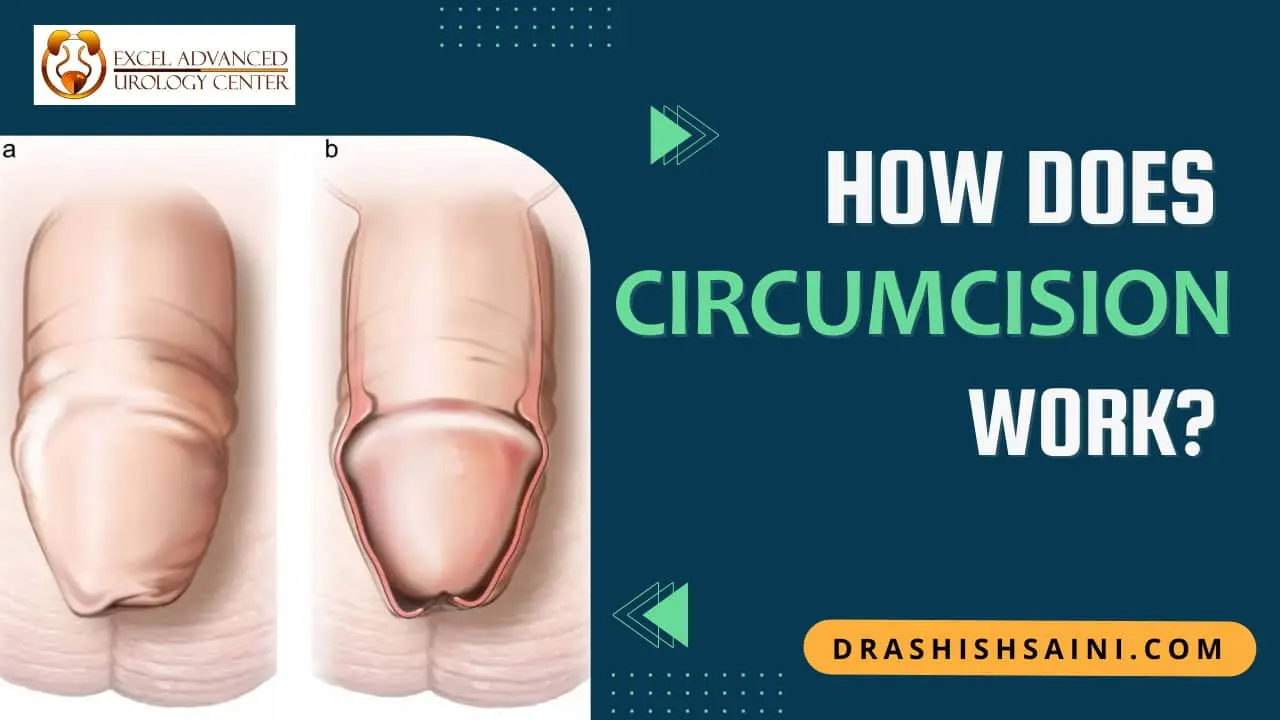
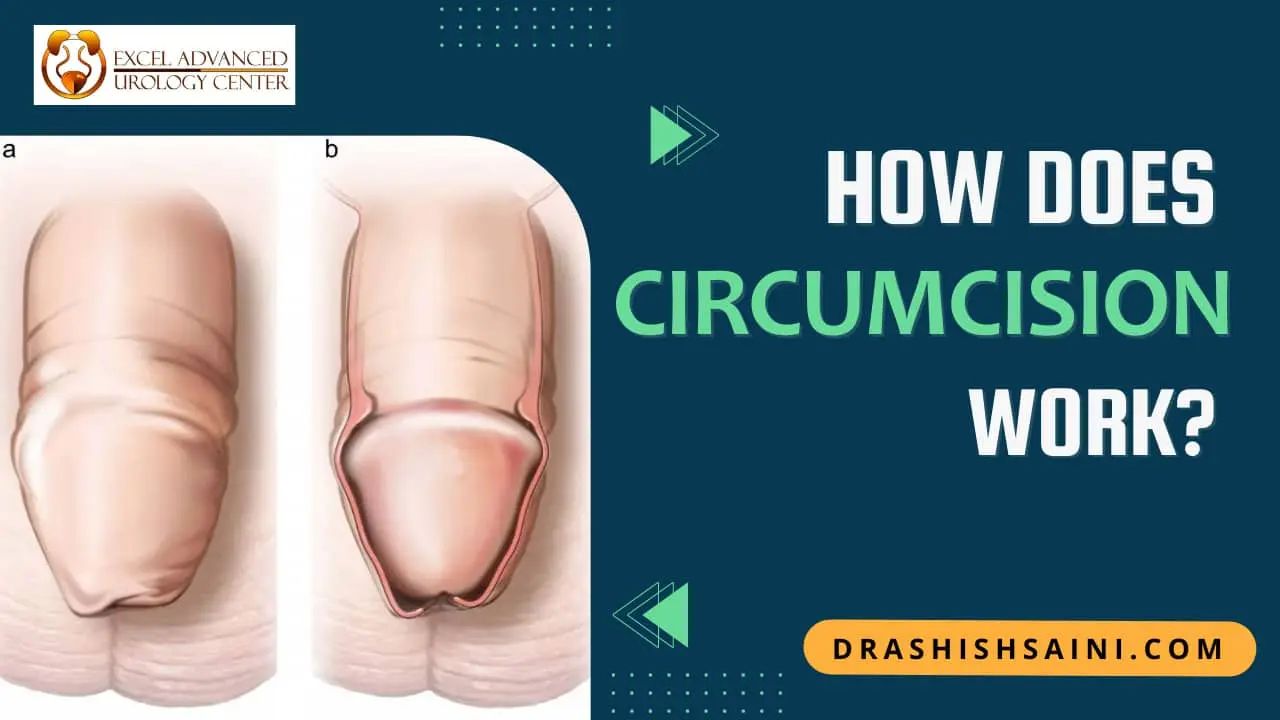
is the procedure of removal of the foreskin from the human penis. It is
the most common process of operation, the foreskin is extended with the
forceps, then a circumcision device may be placed, after which the
foreskin is excised. Topical or local anesthesia is generally used to
reduce the pain during the procedure.
This is an elective
procedure, which is performed for reasons of preventive healthcare, as a
religious rite, or simply as a cultural practice. Either way, it could
be agreed that circumcision goes a long way in history. This procedure
is used also for resolving chronic medical conditions like phimosis or
chronic Urinary Tract Infection (UTI).
The reason why
circumcision garners such heat is simply because of its potency. To
many, it may be a procedure of medical prevention, and to many others,
it may be cultural abuse. Just like many of the creations of humankind
this too has garnered negative and positive responses.
Why is
Circumcision performed?
Circumcision could be
performed for various reasons, varying from cultural derogation to
medical conditions. The most widely followed is cultural or religious
connotation. Circumcision could also be for personal health, aesthetic
appeal, or even for preventive measures.
When
and why to consult a doctor?
Circumcision is a common
procedure among newborns, hence, a consultation with a doctor would be
only fitting so that an informed choice could be made. This informed
choice could be that of the parents of the newborn or of the individual
wanting to undergo that procedure.
When snips are in
question that should be considered very seriously, as the individual
undergoing it would have to look into more than just clipping of their
skin ends. Hence, the best time to get circumcised is when one feels
completely prepared, i.e., both mentally and physiologically.
Procedures and Types of Circumcision
Circumcision
surgical procedures in males are fairly straightforward. The premise is
to make an incursion into the foreskin and to extend it off in order to
remove it. This removal could be done through instruments or through
devices. The most commonly used instruments include Gomo Clamp, Mogen
Clamp, and Plastibell. These are used worldwide and are approved by the
World Health Organization for the purposes of performing a safe
procedure.
Among the surgical procedures, there are open surgical methods;
namely –
The Forceps Method – This method involves
using forceps in order to enable the process of circumcision. The
foreskin is pulled out past the front of the glans, then locked into
the forceps to be removed with ease and without discomfort.
The Dorsal Method – This method is similar to
the one mentioned above. The only difference is that a slit is made
into the foreskin before it is clipped out. This method is effective
for tightened foreskin.
The Sleeve Resection Method – For this
method, shrapnel is used to remove the foreskin which is stretched
out of the penile tissue. This method is the most commonly used and
among the oldest known. It is considered most appropriate for
newborns and children.
Circumcision could be
performed by either instrument or through devices. The fundamental
difference between the two is that, for the first, the instruments are
during the surgical procedure unlike the devices that are inserted into
the penile lining, or tissue to enforce circumcision, and with time and
procedural discrepancies that device is either removed or comes off
spontaneously.
To understand the instruments and the devices better here is a
table of comparison. -:
Surgical Instruments
Surgical Devices
1. Used for the surgical procedure. 2. Disposed after
use. 3. Include – forceps, Gomo
Clamp, ZSR scissors, or Laser clippers
1. Used for the process of circumcision. 2. Sometimes
they stay on and have to be removed, at other times,
these come off spontaneously. 3.
Include – ringlets and metal scrape
with an outer and inner clamp.
What
to expect from the surgery?
During the surgery, the
foreskin is freed from the head of the penis, and the excess foreskin is
clipped off. The procedure starts with the medical staff cleaning, then
numbing the penile
area, either with a small shot or with a numbing
cream. They would put a clamp or a ring on the penis and the doctor
removes the foreskin. After the procedure is completed, antibiotic
ointment is put on the wound followed by gauze. in the case of newborns,
circumcision takes from 5 to 10 minutes, unlike for adults or older
children where the procedure could last for about an hour.
What
to do after the Surgery?
The wound should heal in 5 to 7 days.
Use soap and water to maintain cleanliness.
Use Pain medication, antibiotics, and Prescribed meds, responsibly.
Contact your doctor immediately if you should have any trouble
passing urine, or find bleeding in the affected area, blisters, or
any other form of abnormality.
[elementor-template id=”1293″]
Advantages and Disadvantages of Circumcision –
Sniping is a
straightforward yet painful process. Thus, weighing possibilities
becomes imperative. This is to keep in mind that the procedure is done
right, and what to expect from it. The advantages and disadvantages
table thus equips you with as much information as possible so that you
aren’t taken by surprise.
ADVANTAGES OF CIRCUMCISION
DISADVANTAGES OF CIRCUMCISION
1. Reduces risk of Urinary Tract Infection,
Sexually Transmitted Diseases. 2.
Prevents Penile cancer and cervical
cancer. 3. Also, it prevents Phimosis
and Paraphimosis. 4. Religious and Cultural
connotations.
1. Painful2. Risk of Infection 3. Irritation 4. Metis
(inflammation of the Penile gland) 5. Injury and
Deformation
Circumcision – Medical Science Vs. Culture
Circumcision is among
the oldest procedures being conducted on humans and has had a history
and cultural connotation attached to it. This brings circumcision to the
world of decisive religious ideas. One needs to realize that both
scientific and religious dispositions of a concept are there for the
safety and well-being of the individual.
We are all after all
people. And what becomes of this life is what we chose for it to be, so
whatever may be the reason for you pick a circumcision surgery,
remember a safe surgery is an informed surgery. So, ask your doctor as
many questions as you like and read as much as you can. And look for
more information. Do not hesitate to contact your doctor.
Circumcision is an
age-old procedure. One that was believed to bring about a good and
prosperous life. According to medical science, a lifestyle of care and
medical prevention. Despite its positives and negatives, circumcision is
still a practice widely known and followed. Making it a medical
precaution as well as a family tradition. Amidst all this, caution is to
be practised for the best care is the one that does not require pain.
Take care of yourself and of those around you 🙂
Since we are talking
about the safety and cleanliness of your body and consulting a doctor,
Dr Ashish Saini‘s
practice of urology and sexology would help! He is one of the leading
doctors for laser circumcision treatment in Delhi. DON’T WAIT,
BOOK AN APPOINTMENT NOW!
FAQs
1. Does circumcision
prevent penile cancer
Yes and no, yes because it does provide for a cleaner
penile area and thus reduces the risk of catching
diseases. No, because cancer depends on factors more
than surgical procedures, like medical health, and the
patient’s history.
2. Is circumcision
reversal?
Yes and no, the reversing of a circumcision depends on
the procedure that one underwent.
3. How to care for an
uncircumcised penis?
Do not try anything abnormal and maintain cleanliness
4. What happens to the
foreskin after circumcision?
In some cases, the skin is disposed of after it is
removed, for others, the foreskin retracts itself and
gets pulled back towards the glans.
5. Are there any
alternatives?
Yes, these include steroid creams, stretching methods,
and less invasive surgery.