

}})
You wake up and feel a burning sensation when you urinate. You rush to the bathroom more times than usual, and something just feels off. If this sounds familiar, you might be dealing with a urinary tract infection - commonly known as a UTI.
Most people assume UTIs only affect women, but men get them too. And when they do occur in men, they tend to be more serious and require closer attention. The good news? With the right knowledge and a solid do-it-yourself approach, you can recognize the signs early, manage mild symptoms at home, and know exactly when to see a doctor.
This guide covers everything - from understanding what a UTI is, to spotting symptoms, identifying causes, and following a practical do-it-yourself treatment and prevention plan.
What is a UTI in Men?

A urinary tract infection happens when harmful bacteria enter and multiply anywhere in the urinary system - the kidneys, ureters, bladder, or urethra. In men, the urethra is longer than in women, which actually offers some natural protection. However, it does not make men immune.
UTIs are far less common in younger men. They mostly affect men over 50. Research shows that about 12% of men will experience at least one UTI in their lifetime. Among younger men under 50, sexually transmitted diseases (STDs) are the most frequent trigger. In older men, prostate problems tend to be the main underlying cause.
Types of UTIs in Men
Understanding where the infection is located helps guide treatment.
Lower Tract UTIs - These affect the bladder (cystitis) or the urethra (urethritis). Cystitis is the most common type. It causes discomfort in the lower abdomen and painful urination.
Upper Tract UTIs - These are more serious infections that reach the ureters or kidneys. Pyelonephritis, or kidney infection, typically starts as a bladder infection that spreads upward. Upper tract infections need prompt medical treatment.
Symptoms of UTI in Men

Recognizing UTI symptoms early is the first step in any do-it-yourself care plan. The symptoms can vary depending on where in the urinary tract the infection is located.
Common symptoms include:
- A frequent and urgent need to urinate, even when little comes out
- A burning or stinging pain during or just after urination
- Cloudy, dark, or foul-smelling urine
- Blood in the urine, which may appear pink or reddish
- Pain or pressure in the lower abdomen or pelvic area
- Accidentally wetting the bed at night
If the infection has reached the kidneys, additional symptoms may appear:
- Pain in the side, back, or upper abdomen
- High fever with chills and shaking
- Nausea and vomiting
- General fatigue or feeling very unwell
It is worth noting that some men experience no symptoms at all, especially in early or mild infections. This makes routine checkups important, particularly for men over 50 or those with underlying conditions like diabetes.
What Causes UTIs in Men?

Bacteria are the root cause, but several conditions create the environment that allows bacteria to thrive and grow. Here are the most common causes and risk factors every man should know.
Sexually Transmitted Diseases (STDs): Chlamydia and gonorrhea are the leading causes of UTIs in younger men. These STDs infect the urethra and can spread further into the urinary tract if left untreated.
Enlarged Prostate (BPH): Benign prostatic hyperplasia, or an enlarged prostate, is extremely common in men over 50. When the prostate grows, it can press against the urethra and restrict urine flow. Urine that does not fully drain creates a breeding ground for bacteria.
Prostatitis: Prostate inflammation or infection shares many symptoms with a UTI. It can cause painful urination, pelvic discomfort, and a frequent urge to go. Sometimes, prostatitis and a UTI occur together.
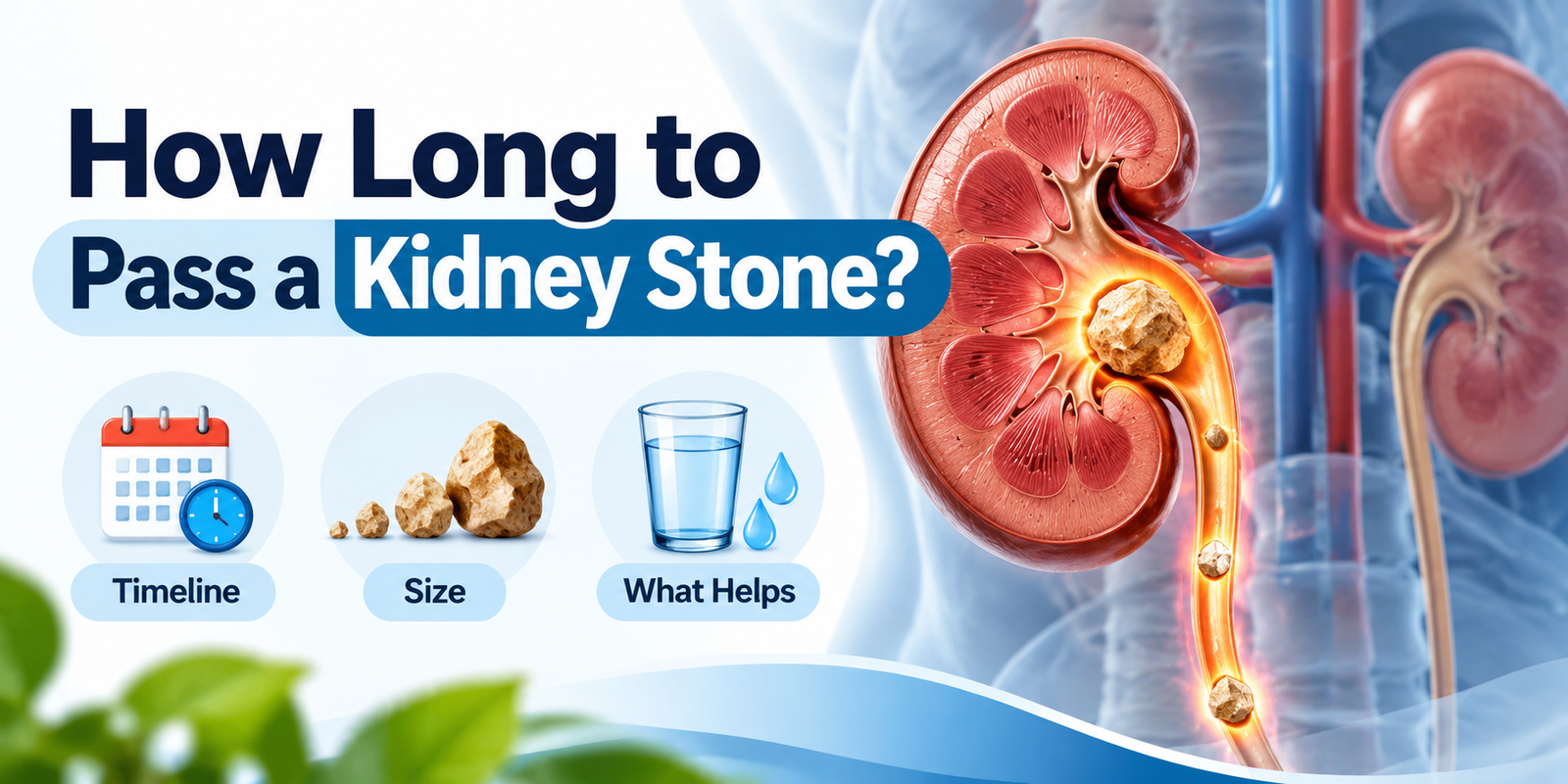
Kidney Stones: Kidney stones can block the flow of urine and allow it to pool in the bladder. Stagnant urine is a perfect environment for bacteria to multiply, significantly raising your UTI risk.
Catheter Use: Men who use urinary catheters - either in hospital settings or for neurological conditions - face a much higher risk of developing a UTI. Catheters can introduce bacteria directly into the bladder.
Diabetes and Weakened Immunity: Conditions like diabetes compromise the immune system's ability to fight off infections, making UTIs more likely and harder to clear without treatment.
Dehydration: When you do not drink enough water, your urine becomes highly concentrated. You urinate less often, meaning bacteria that enter the urinary tract have more time to grow and take hold.
Previous UTIs: Research suggests that an initial UTI can trigger long-lasting inflammation in the urinary tract, which may increase the likelihood of getting another infection in the future.
Recent Urinary Procedures: Surgery on the urinary tract or medical examinations using instruments can disrupt the urinary lining and introduce bacteria, temporarily raising your risk.
How Is a UTI in Men Diagnosed?
If you suspect a UTI, a doctor will typically:
- Ask about your symptoms and how long they have been present
- Discuss your sexual history, since STDs are a common cause in men
- Order a urine test (urinalysis) to look for bacteria, white blood cells, or blood
- Perform a prostate exam if prostate involvement is suspected
- In some cases, order an ultrasound or X-ray to examine the urinary tract more closely
Early diagnosis is key. The sooner a UTI is confirmed, the faster and easier treatment becomes.
Medical Treatment for UTI in Men
The standard treatment for a confirmed UTI is a course of antibiotics. Your doctor will choose the antibiotic based on the type of bacteria found in the urine culture.
- Lower tract infections (bladder or urethra) typically require antibiotics for 7 days or fewer
- Upper tract infections (kidney infections) may need antibiotics for up to 2 weeks
- Severe infections with high fever or signs of sepsis may require hospitalization and intravenous antibiotics
Always complete the full antibiotic course, even if you start to feel better after a few days. Stopping early can allow bacteria to survive and return stronger.
Do It Yourself Home Remedies for UTI in Men

While antibiotics are the only proven cure for a bacterial UTI, there are several do-it-yourself strategies you can use alongside medical treatment to ease discomfort and support recovery. These are also useful for preventing future infections.
Stay Well Hydrated: Drinking plenty of water is the most important do-it-yourself step you can take. Water flushes bacteria out of the bladder and urethra. Aim for at least 8 glasses a day. Avoid caffeine, alcohol, and sugary drinks, which can irritate the bladder.
Urinate Frequently: Do not hold your urine. Every time you urinate, you help flush bacteria out of your system. Go whenever you feel the urge, and make sure you fully empty your bladder each time.
Try Vitamin C: Vitamin C makes urine more acidic, which creates a less friendly environment for bacterial growth. You can get it through foods like oranges, bell peppers, and kiwi, or through a daily supplement.
Apply Heat for Pain Relief: A heating pad placed on your lower abdomen or lower back can reduce the pain and discomfort associated with a UTI. A warm bath can also help relax the pelvic muscles and ease soreness.
Avoid Bladder Irritants: During a UTI. Certain foods and drinks can make your symptoms worse. Avoid spicy foods, carbonated drinks, artificial sweeteners, and caffeine until you have fully recovered.
Use OTC Pain Relievers: Over-the-counter medicines like ibuprofen or acetaminophen can help reduce fever and ease pain. Phenazopyridine is another OTC option specifically designed to relieve urinary burning and urgency. Note that these medicines treat symptoms only - they do not kill the bacteria causing the infection.
Baking Soda Water: Dissolving half a teaspoon of baking soda in a glass of water and drinking it may help reduce the acidity of your urine and ease burning during urination. This is a short-term home remedy, not a cure.
Cranberry Products: Cranberry juice and cranberry supplements are widely discussed as a UTI home remedy. Some studies suggest they may help prevent bacteria from sticking to the bladder wall. However, there is not enough strong evidence to recommend cranberry juice as a treatment. If you want to try it, opt for unsweetened cranberry juice or a supplement capsule rather than sugary cranberry drinks.
Complications of Untreated UTI in Men
Ignoring a UTI or delaying treatment can lead to serious health consequences.
- A bladder infection can travel up to the kidneys, causing pyelonephritis - a painful and potentially dangerous kidney infection
- Chronic or repeated kidney infections can lead to permanent kidney damage or kidney failure
- In the most serious cases, a kidney infection can trigger sepsis, a life-threatening infection of the bloodstream that requires emergency hospitalization
- Repeated urethral infections can cause scarring and narrowing of the urethra, making urination increasingly difficult over time
The message is clear: never ignore UTI symptoms. Early treatment is always better than managing a complication.
How to Prevent UTIs in Men
Prevention is the best do-it-yourself strategy of all. Small daily habits can significantly lower your risk of developing a UTI.
Drink water consistently throughout the day - not just when you feel thirsty. Staying hydrated keeps urine diluted and flushes out any bacteria before they can cause an infection.
Practice good personal hygiene. Wash your hands after using the bathroom and keep the genital area clean.
Use condoms during sex. This is especially important for younger men, since STDs like chlamydia and gonorrhea are the leading cause of UTIs in men under 50.
Empty your bladder fully. Do not rush when urinating. Make sure you drain completely, as leftover urine allows bacteria to grow.
Treat underlying conditions. If you have an enlarged prostate, diabetes, or kidney stones, managing these conditions well reduces your UTI risk considerably.
Wear loose, breathable clothing. If you experience frequent UTIs, switching to cotton underwear and avoiding tight clothing can reduce moisture and bacterial growth in the genital area.
Avoid holding urine for long periods. Go to the bathroom when you feel the urge. The longer urine stays in the bladder, the greater the risk of bacterial growth.
When to See a Doctor Immediately
Some situations require urgent medical attention and should not be handled with home remedies alone.
See a doctor right away if you experience:
- High fever (above 38.5°C / 101.3°F) along with UTI symptoms
- Severe back, side, or abdominal pain
- Nausea and vomiting that prevent you from keeping fluids down
- Symptoms that do not improve after 2 to 3 days of home treatment
- Blood in your urine
- Symptoms recurring frequently (two or more UTIs within six months)
These signs may indicate a kidney infection or another serious complication that needs professional medical care immediately.
Key Takeaways
UTIs in men are less common than in women, but should never be taken lightly. They tend to affect men over 50 and can have underlying causes like an enlarged prostate, kidney stones, STDs, or diabetes. Recognizing symptoms early - burning urination, frequent urges, cloudy urine, or back pain - gives you the best chance of managing the infection quickly.
Your do-it-yourself approach should include staying hydrated, urinating frequently, using OTC pain relief, avoiding bladder irritants, and following your antibiotic course completely. Prevention through good hydration, hygiene, condom use, and treating underlying conditions is just as important as treatment itself.
If in doubt, always consult a doctor. UTIs are very treatable when caught early - but dangerous when ignored.