
}})
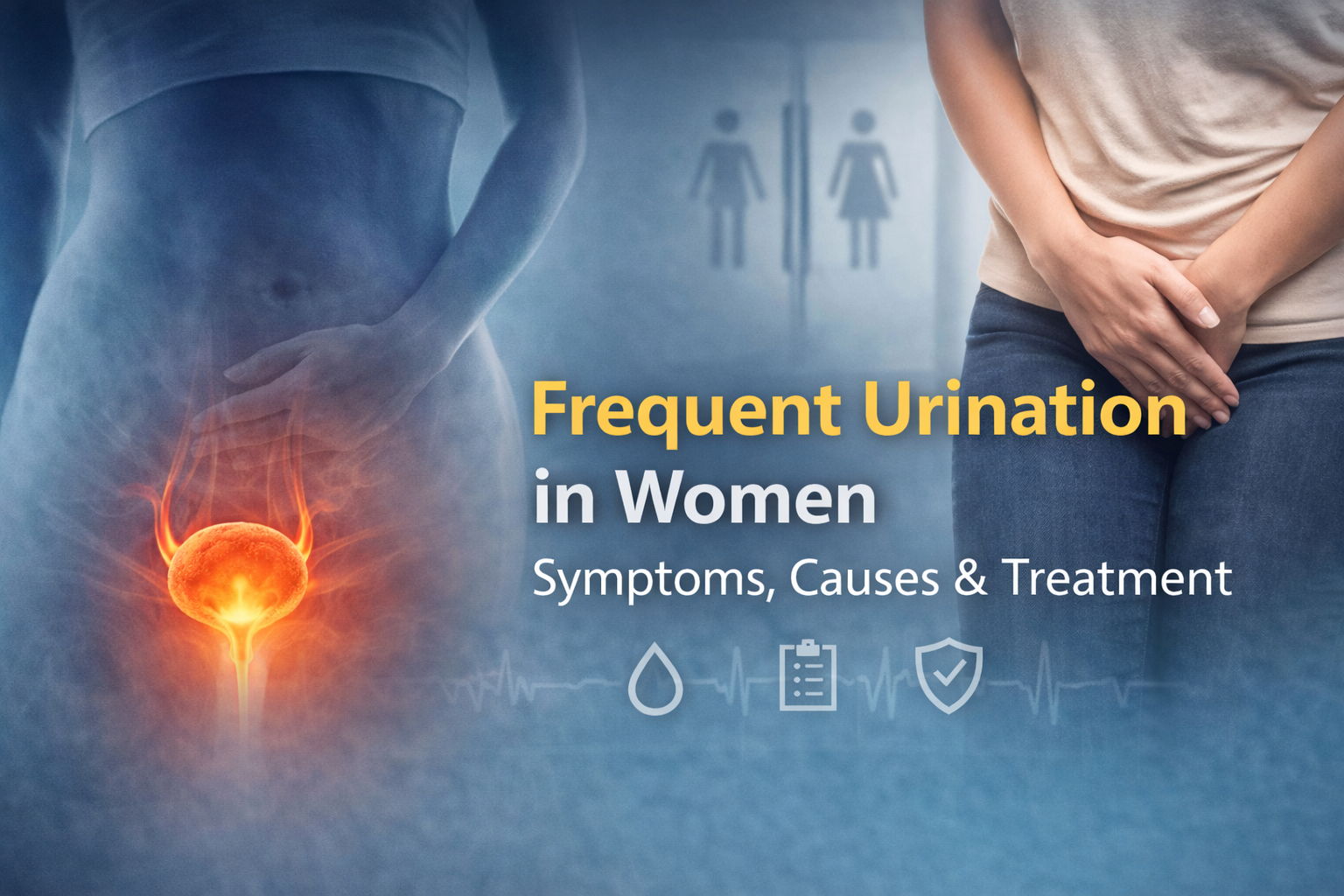
Many women experience frequent urination at some point in their lives. You may feel the urge to go to the toilet again and again, sometimes every hour. At first, it may seem harmless. Maybe you drank more water. Maybe you had coffee. But when this pattern continues, it can become worrying and exhausting.
Frequent urination can disturb sleep, interrupt work, and affect daily comfort. More importantly, it can sometimes be a sign of an underlying medical condition that should not be ignored.
This guide explains what frequent urination in women really means, what causes it, how doctors diagnose it, and what treatment options are available. It will also help you understand when it is normal and when it is time to see a doctor.
What Is Frequent Urination?
Frequent urination simply means passing urine more often than usual.
For most healthy adults, urinating about six to eight times a day is normal. Some people may go slightly more or less depending on how much they drink, the weather, and their activity level. That is still considered normal.
However, when a woman feels the need to urinate every hour or even more often, or when she wakes up several times at night to go to the toilet, this is usually not normal.
It is also important to understand that frequent urination is different from passing a large amount of urine.
Some women pass small amounts many times. Others pass large volumes each time. These are different medical situations.
To explain it simply, imagine a water tank.
If the tank fills very fast, it empties often. That is like polyuria, which means producing too much urine.
If the tank is small or irritated, it may trigger the alarm even when only a little water is inside. That is like frequent urination or urgency.
Understanding this difference helps doctors find the real cause.
Frequent Urination: Medical Term Explained
- Doctors use different medical terms to describe different patterns of urination.
- Pollakiuria means frequent urination in small quantities.
- Polyuria means producing an abnormally large amount of urine.
- Urinary urgency means a sudden and strong need to urinate.
- Overactive bladder is a condition where the bladder muscle contracts too often, even when it is not full.
- Patients often describe these problems in their own words. Many say, “I feel like urinating all the time,” or “why does urine come again and again,” or “my bladder never feels empty.”
All of these descriptions help doctors understand the pattern and choose the right tests.
Is Peeing Every Hour Normal?
Sometimes, yes.
If you have been drinking a lot of water, having tea or coffee, or taking certain medicines like water tablets, frequent urination is expected. Pregnancy can also increase urination because of hormonal changes and pressure from the growing uterus.
But frequent urination is not normal if it happens without an obvious reason and continues for days or weeks.
It becomes more concerning if it is associated with burning, pain, blood in urine, fever, strong smell, or waking up many times at night.
Think of it like a car warning light. Sometimes it turns on because the door is open. That is harmless. But if it stays on without a clear reason, it needs checking.
Common Symptoms Associated With Frequent Urination in Women
Frequent urination is rarely the only symptom. Most women notice other changes too.
Many feel a constant urge to urinate, even right after using the toilet. Some pass only a few drops each time. Others feel pressure or heaviness in the lower abdomen, as if the bladder is always full.
Burning or pain during urination is common when infection is present. Some women experience slow urine flow, meaning urine takes time to start or comes out weakly. Others feel that the bladder never empties completely.
Night-time urination is another common complaint. Waking up two or three times every night can leave a woman tired, irritable, and unable to concentrate the next day.
Over time, these symptoms affect quality of life. Simple activities like shopping, meetings, or travel become stressful because the nearest toilet is always on the mind.
Causes of Frequent Urination in Women
There is no single cause of frequent urination. Several conditions can lead to this symptom, and sometimes more than one factor is present at the same time.
Urinary Tract Infection
Urinary tract infection is the most common cause in women.
The female urinary opening is short and close to the vaginal area, which makes it easier for bacteria to enter. When the bladder becomes infected, its lining becomes irritated and sensitive.
Even a small amount of urine then triggers the feeling of fullness. It is like having a small scratch on your skin that hurts every time something touches it.
Along with frequent urination, women often notice burning, cloudy urine, strong smell, and lower abdominal discomfort.
Overactive Bladder
In overactive bladder, the bladder muscle contracts too often.
The bladder behaves like a doorbell that rings even when no one presses it. This causes sudden urgency and frequent trips to the toilet, usually with small urine output.
This condition is common in middle-aged and older women, but it can occur at any age.
Pregnancy
During pregnancy, hormones relax bladder muscles, and the growing uterus presses on the bladder.
This combination reduces the space available for urine storage. As a result, pregnant women feel the need to urinate frequently, especially in early and late pregnancy.
Diabetes
In diabetes, excess sugar in the blood spills into the urine. Sugar pulls water along with it, increasing urine volume.
Women with undiagnosed diabetes often complain of excessive urination, strong thirst, and tiredness.
Interstitial Cystitis
This is a chronic condition where the bladder wall becomes inflamed without infection.
Women may experience pelvic pain, pressure, and frequent urination for months or even years. Diagnosis often takes time because routine tests may appear normal.
Kidney or Bladder Stones
Stones irritate the bladder wall or block urine flow, creating a constant urge to urinate.
Vaginal Infections
Inflammation near the urinary opening can irritate bladder nerves and cause urgency.
Hormonal Changes and Menopause
After menopause, estrogen levels fall. This weakens bladder tissues and reduces control, leading to urgency and frequent urination.
Medications
Some medicines, especially those used for blood pressure or heart disease, increase urine production.
Alkaline Urine and Crystals
Normal urine is slightly acidic. When urine becomes alkaline, often due to infection or diet, crystals may form.
These crystals irritate the bladder lining and increase the urge to urinate. Over time, they can also form stones.
Causes of Frequent Urination in Men vs Women
Women and men share some causes like infection and diabetes. But there are differences.
Women commonly suffer from UTIs and pregnancy-related changes. Men often develop frequent urination due to prostate enlargement.
Understanding this difference is important because treatment also differs.
How Doctors Diagnose Frequent Urination
Diagnosis begins with a simple conversation.
Doctors ask about how often you urinate, how much you drink, whether you feel pain, whether you wake up at night, and whether you are pregnant or taking medicines.
Urine tests help detect infection, blood, sugar, or crystals. Blood tests check kidney function and diabetes.
Ultrasound is commonly used to see the bladder, kidneys, stones, or leftover urine after emptying.
Sometimes, women are asked to maintain a bladder diary for a few days to record urination frequency and volume.
Specialists like Dr. Ashish Kumar Saini, urologist and former Assistant Professor at AIIMS, often see women who delayed seeking help thinking frequent urination was “normal.” In many cases, early testing would have made treatment easier and faster.
Frequent Urination in Women: Treatment Options
Treatment always depends on the underlying cause.
There is no single tablet that cures all cases.
Treating Infections
UTIs are treated with antibiotics. Symptoms usually improve within two to three days.
Treating Overactive Bladder
This involves bladder training, pelvic floor exercises, and medicines that relax bladder muscles.
Treating Diabetes
Controlling blood sugar reduces excessive urine production.
Treating Stones
Small stones may pass with fluids. Larger stones may require procedures.
Treating Hormonal Causes
Local estrogen therapy may help post-menopausal women.
Home Remedies and Lifestyle Changes
Lifestyle changes play a big role.
Reducing caffeine and alcohol often decreases urgency. Limiting fluids before bedtime reduces night-time urination.
Bladder training teaches the bladder to hold urine longer gradually, like training a muscle.
Pelvic floor exercises strengthen muscles that control urine flow.
Hydration should be balanced. Too little water concentrates urine and irritates the bladder. Too much water increases frequency.
It is about finding the middle path.
Medicines Used for Frequent Urination
Depending on the diagnosis, doctors may prescribe medicines to calm the bladder, control infections, manage diabetes, or correct hormone levels.
Self-medication is risky because the wrong drug can worsen symptoms.
Frequent Urination: Which Doctor to See?
Many women wonder which doctor they should consult.
A general physician is a good first step.
A urologist specializes in bladder and kidney problems. A gynecologist helps when pregnancy or vaginal infections are suspected. An endocrinologist manages diabetes or hormone disorders.
If symptoms persist, a urologist is usually the most helpful specialist.
You can book a consultation here:
Book Appointment:
https://www.drashishsaini.com/book-online-consultation
Special Situations
Continuous Urge but Little Output
This often indicates bladder irritation or infection. Anxiety can also play a role.
Excessive Urination at Night
This may suggest diabetes, kidney disease, or heart problems.
Slow Urine Flow in Women
This can be due to weak pelvic muscles, narrowing of the urine passage, or bladder muscle weakness.
Warning Signs That Need Immediate Medical Attention
Some symptoms should never be ignored.
Blood in urine, fever, severe pain, sudden weight loss, night sweats, or loss of bladder control require urgent evaluation.
FAQs: Frequent Urination in Women
What’s the best treatment for frequent urination?
The best treatment depends on the cause. Infections need antibiotics, overactive bladder needs bladder training and medicines, and diabetes needs sugar control. Treating the root problem gives the best long-term relief.
Is there medication for frequent peeing?
Yes. Doctors may prescribe medicines that relax the bladder muscles, treat infections, or correct hormone problems. The right medicine depends on the diagnosis.
How to diagnose frequent urination?
Doctors start with your symptom history and fluid intake. Then they usually do urine tests, blood tests, and sometimes an ultrasound or bladder tests to find the cause.
What blood tests are done for frequent urination?
Common tests include blood sugar (to check for diabetes), kidney function tests, and sometimes electrolyte levels. These help rule out metabolic or kidney problems.
What are the causes of frequent urination in females?
The most common causes are urinary tract infection, overactive bladder, pregnancy, diabetes, hormonal changes, and bladder or kidney stones. Some medicines and vaginal infections can also cause it.
Is it normal to pee every 30 minutes?
No, this is usually not normal unless you are drinking a very large amount of fluids. If it continues, it should be medically evaluated.
How to reduce frequent urination?
Reduce caffeine and alcohol, avoid drinking large amounts before bedtime, and practice bladder training. Treating the underlying medical cause is the most important step.
What is the best home remedy for frequent urination?
Balanced water intake and avoiding bladder irritants like coffee, tea, and spicy foods help most people. Pelvic floor exercises and timed bathroom visits also reduce urgency over time.
Conclusion
Frequent urination in women is common, but it is not something to ignore when it becomes persistent.
Sometimes it is harmless. Sometimes it is the first sign of infection, diabetes, or bladder dysfunction.
Early diagnosis makes treatment easier. Delaying often leads to complications and unnecessary discomfort.
If your symptoms last more than a few days, disturb sleep, or affect daily life, speaking to a doctor is a wise step.
Book Appointment:
https://www.drashishsaini.com/book-online-consultation
Your bladder should work quietly in the background. It should not control your routine. With the right care, comfort can return.