
}})
Testicle pain can come from many causes, most of which are treatable. Common reasons include infection or inflammation of the epididymis, a varicocele, minor injury, a hernia, kidney stones sending pain to the groin, and sexually transmitted infections. However, sudden, severe testicle pain, especially with swelling or nausea, can be testicular torsion, a surgical emergency where the testicle must be saved within about six hours. If pain is intense, sudden, or unexplained, do not wait; go to the emergency room right away.
Testicle pain is one of the most searched, and one of the least talked about, symptoms in men's health. It is easy to worry that the worst is happening, and just as easy to hope it will settle on its own. In reality, most causes of testicle pain are simple to treat once the source is identified, but a few need urgent action. This guide explains every major cause, how the pain typically feels, when it is an emergency, and how it is diagnosed and treated.

When Testicle Pain is a Medical Emergency
Before anything else, one condition must be ruled out: testicular torsion. This is when the spermatic cord twists and cuts off the blood supply to the testicle. If it is not treated quickly, the testicle can die, so this section matters more than any other on the page.
Go to the emergency room immediately if you have:
- Sudden, severe pain in one testicle, often waking you from sleep
- Swelling of the scrotum on the affected side
- Nausea or vomiting with the pain
- A testicle that sits higher than usual or looks abnormally positioned
- Severe pain after a minor knock, or with no clear trigger
Torsion can be reversed if surgery is performed within roughly six hours. The chances of saving the testicle drop sharply after that window. If you are ever unsure whether it is torsion, treat it as if it is. This is not something to try to sleep off.
Torsion is most common in teenagers and young men, but it can happen at any age.
What Causes Testicle Pain?

Once torsion has been ruled out, the causes of testicle pain fall into a handful of common categories. Most are infections, structural issues, referred pain from nearby organs, or minor injury.
Epididymitis and Orchitis (Infection or Inflammation)
The epididymis is the coiled tube that sits behind each testicle. When it becomes inflamed, usually from a bacterial infection or a sexually transmitted infection, it causes a gradually worsening, dull ache that can build to sharp pain. The scrotum often feels warm or looks red, and there may be burning during urination. Orchitis is inflammation of the testicle itself, sometimes from the same infection or from viral illnesses such as mumps. Both respond well to the right antibiotics and rest.
Varicocele (Enlarged Scrotal Veins)
A varicocele is like a varicose vein in the scrotum. Faulty valves let blood pool in the veins, causing a dragging, heavy ache that worsens as the day goes on, after long standing, or during exercise. It usually settles when you lie down. Varicoceles occur far more often on the left side due to differences in vein anatomy, which is one of the most common reasons men notice left-testicle pain specifically.
Hydrocele and Spermatocele (Fluid Collections)
A hydrocele is a painless collection of fluid around the testicle, and a spermatocele is a small fluid cyst on the epididymis. Both feel like a soft, painless swelling, but if they grow large enough, they can produce a heavy, uncomfortable pressure that some men describe as a dull ache rather than sharp pain.
Injury or Trauma
A direct blow to the testicles causes intense pain that peaks quickly and usually eases within an hour. Bruising, mild swelling, and tenderness can linger for days. If the pain is severe, does not settle, or is accompanied by significant swelling or a lump that was not there before, it needs an ultrasound to rule out a rupture or torsion, which trauma can sometimes trigger.
Inguinal Hernia
A hernia in the groin can push tissue down into the scrotum, causing pain, heaviness, or a visible bulge. The discomfort often worsens with lifting, coughing, or straining. Hernias do not resolve on their own and usually need surgical repair, especially if they cause pain or the tissue becomes trapped.
Kidney Stones (Referred Pain)
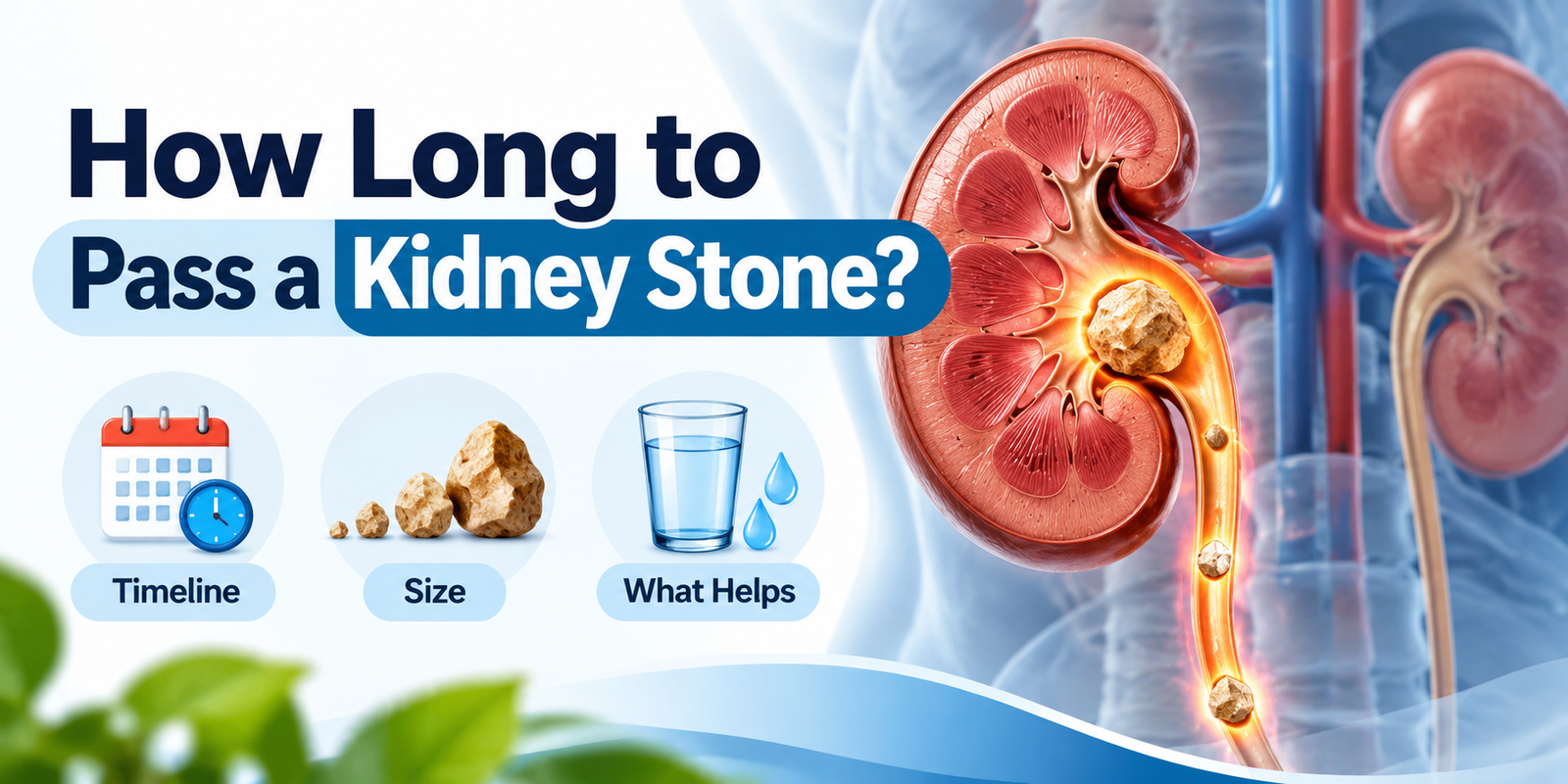
One of the most common surprises in urology is that kidney stones can cause severe testicle pain. As a stone travels down the ureter, it can send pain along shared nerve pathways into the groin, testicle, and inner thigh. Men with this pattern often also have back or flank pain, blood in the urine, or nausea. Treating the stone treats the testicle pain.
Sexually Transmitted Infections
Infections such as chlamydia and gonorrhoea can cause epididymitis in sexually active younger men. The pain often develops with burning during urination or discharge from the urethra. Prompt treatment with the right antibiotics protects both your comfort and your fertility.
Prostatitis
Inflammation of the prostate can refer pain to the testicles, the perineum, and the lower back. Men with prostatitis often also have burning urination, pelvic discomfort, or pain during ejaculation. Because the prostate and reproductive tract are so closely linked, our page on prostate disease treatment is a useful next read if these symptoms sound familiar.
"Blue Balls" (Epididymal Hypertension)
A temporary, uncomfortable heaviness or ache after prolonged sexual arousal without release. It is real, it can be genuinely uncomfortable, and it is completely harmless. It resolves on its own within a few hours and needs no treatment.
Post-Vasectomy Pain and Chronic Orchialgia
A small number of men develop persistent testicle pain after a vasectomy, and others have chronic testicle pain with no clear cause on examination, known as chronic orchialgia. Both are manageable but often need a specialist to work through carefully.
Testicular Cancer (Rarely Painful)
Testicular cancer usually appears as a painless lump or firmness rather than as pain. However, in a small proportion of cases, it can cause a dull ache or heaviness. Any new lump, firmness, or persistent change in the testicle deserves an urgent evaluation, even if the pain is mild.
Testicle Pain by Type: What Different Pains Usually Mean

The way the pain feels often gives a strong clue to the cause. The table below matches common pain patterns with their most likely explanations.
This is a starting point, not a diagnosis. Overlap is common, and the same condition can present differently in different men.
Why Do My Testicles Hurt After Sex or Ejaculation?
This is one of the most anxious questions men ask, so it is worth its own section. Testicle or groin discomfort after sex is usually caused by one of a few conditions:
- Prostatitis, where the muscular contractions of ejaculation aggravate an already inflamed prostate
- Epididymitis, where inflammation is stirred up by physical activity and ejaculation
- Varicocele, where increased blood flow during arousal briefly worsens the aching heaviness
- A spermatocele or hydrocele whose pressure becomes more noticeable temporarily
- Pelvic floor tension, which is increasingly recognised as a cause of post-ejaculatory pain in otherwise healthy men
Occasional, mild aching after unusually vigorous or prolonged sex is common and settles on its own. Persistent or worsening pain after ejaculation needs proper evaluation.
Related Symptoms to Watch For
Testicle pain becomes more meaningful, and often more urgent, when it comes with other symptoms. Tell your doctor if you also notice:
- A new lump, firmness, or change in the size or shape of a testicle
- Swelling or redness of the scrotum
- Burning or pain while urinating
- Blood in the urine or semen
- Discharge from the urethra
- Fever or chills
- Back, flank, or lower abdominal pain
- Difficulty urinating or a weak stream
These clues often point directly to the underlying cause and shape which tests are needed. If burning urination is one of your symptoms, our guide on burning urination causes beyond a UTI explores the overlap in detail.
When to See a Urologist
Book a consultation with a urologist if:
- Pain lasts more than a few days or keeps coming back
- You feel a lump, firmness, or an unusual change in a testicle
- Pain is affecting your sleep, work, or sex life
- You have other symptoms such as fever, blood in urine, or burning urination
- Pain follows a vasectomy or another procedure and does not settle
Seek urgent or emergency care if pain is sudden and severe, if the scrotum is markedly swollen or red, if you have nausea or vomiting with the pain, or if you cannot urinate.
How Testicle Pain Is Diagnosed
Working out the cause is usually straightforward. A urologist will typically:
- Take a full history, including when the pain started, its pattern, and any other symptoms
- Examine the scrotum, testicles, groin, and abdomen carefully
- Order a scrotal ultrasound, which shows blood flow and is the most useful single test
- Check a urine test and, if relevant, screen for sexually transmitted infections
- Add blood tests when infection, inflammation, or a mass is suspected
Most causes become clear from the exam and ultrasound alone.
How Testicle Pain Is Treated
Treatment always follows the cause:
- Infections are treated with the right antibiotics, rest, scrotal support, and anti-inflammatories
- Varicocele may be managed conservatively or repaired surgically if it causes ongoing pain or affects fertility
- A hydrocele or large spermatocele can be drained or surgically corrected when symptomatic
- Hernias are repaired surgically
- Kidney stones are treated in their own right, which resolves the referred pain
- Prostatitis is managed with antibiotics, anti-inflammatories, and sometimes pelvic-floor therapy
- Chronic orchialgia may involve nerve-directed therapy, physiotherapy, and other targeted approaches
- Torsion requires immediate surgery
Living with unexplained testicle pain is not something to accept. The right diagnosis almost always leads to real relief.
Expert Care for Men's Health in Delhi NCR
When something as private as testicle pain is worrying you, an unhurried, expert consultation makes all the difference. Dr. Ashish Saini is a urologist and andrologist at Excel Advanced Urology Center in Greater Kailash 1, New Delhi, whose practice covers the full spectrum of male urological and reproductive health concerns.
- MCh Urology from AIIMS, New Delhi
- MBBS and MS from KGMU, Lucknow
- 15+ years of clinical experience in urology and andrology
- 21,000+ surgeries performed across urological procedures
This combined urology and andrology expertise means testicle pain is evaluated properly, quickly, and confidentially, with the right tests and a clear plan.
If you are worried about testicle pain, do not wait for it to get worse. Book an online consultation for a discreet assessment and honest answers.