
}})
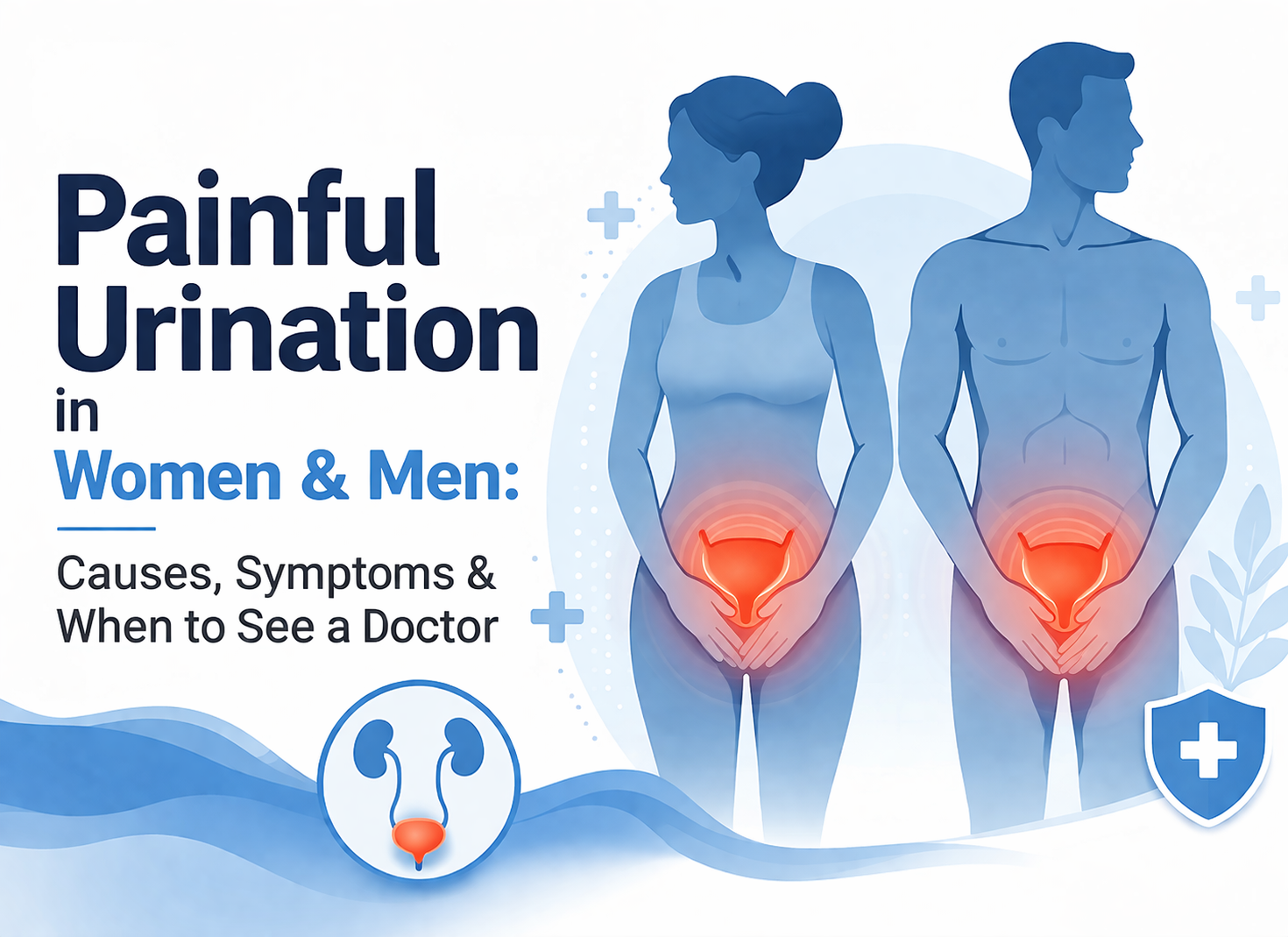
That sharp, burning sensation when you urinate is hard to ignore - and it shouldn't be. Painful urination, medically called dysuria, is one of the most common urological symptoms that brings people to a healthcare provider. It can range from a mild sting to an intense, burning pain that makes even a short bathroom trip something you dread.
The reassuring news is that painful urination is very often caused by treatable conditions. The challenging part is that it can signal anything from a simple UTI to an STI, kidney stone, or even an inflammatory condition - so knowing how to read your own symptoms matters.
In this guide, you will learn the most common causes of painful urination in both women and men, what other symptoms to watch for, practical do it yourself steps to ease discomfort at home, and clear signals that tell you when to stop self-managing and see a doctor.
What Is Painful Urination (Dysuria)?
Dysuria is the medical term for pain, burning, or discomfort that occurs during or immediately after urination. It can be felt at the start of urinating, throughout the flow, or at the end. The sensation can manifest as burning, stinging, itching, aching, or pressure - and it can occur internally (in the bladder or urethra) or externally (around the genitals or perineum).
How Common Is It?
Painful urination is one of the most frequently reported urinary symptoms in both primary care and emergency settings. It affects people of all ages and genders, though it is significantly more common in women - primarily because the shorter female urethra makes it easier for bacteria to reach the bladder. It is the defining symptom in up to 25% of all women who visit a doctor each year.
Symptoms Associated With Painful Urination

Dysuria rarely appears on its own. The accompanying symptoms often provide the clearest clues about the underlying cause:
- Frequent urge to urinate with little output - points strongly toward a bladder infection or UTI
- Cloudy, dark, or bloody urine - suggests infection, kidney stones, or bladder inflammation
- Foul or unusually strong-smelling urine - a common indicator of bacterial infection
- Discharge from the urethra or vagina - raises the possibility of an STI such as chlamydia or gonorrhea
- Fever and chills - indicates the infection may have moved to the kidneys (pyelonephritis)
- Lower back or flank pain - associated with kidney involvement
- Pelvic pain or lower abdominal cramping - often seen in women with UTIs, pelvic inflammatory disease, or interstitial cystitis
- Rash, sores, or lesions near the genitals - points toward an STI or skin condition causing external dysuria
- Pain during or after sex - can indicate vaginal inflammation, STI, or pelvic floor dysfunction
Tracking your accompanying symptoms before and during a doctor's visit makes diagnosis faster and more accurate.
Causes of Painful Urination in Women

Women experience painful urination far more frequently than men because of shorter urethral anatomy and hormonal changes that affect urinary and vaginal tissue health.
Infections
- Urinary tract infection (UTI): The leading cause of dysuria in women. Bacteria - most commonly E. coli - enter the urethra and travel to the bladder, causing inflammation. UTIs cause burning during urination, urgency, frequency, and often cloudy or strong-smelling urine
- Vaginal yeast infection: Overgrowth of Candida fungus in the vagina can cause external burning when urine passes over inflamed vaginal tissue - this is external dysuria, not internal
- Bacterial vaginosis (BV): Disruption of normal vaginal bacterial balance causes inflammation and irritation that can make urination uncomfortable
- Sexually transmitted infections (STIs): Chlamydia, gonorrhea, herpes, and trichomoniasis can all inflame the urethra and surrounding tissue, causing painful urination alongside discharge, itching, or sores
- Pelvic inflammatory disease (PID): An infection of the reproductive organs - often a complication of untreated chlamydia or gonorrhea - causing pelvic pain and dysuria
Non-Infectious Causes in Women
- Interstitial cystitis (IC): A chronic bladder condition causing bladder wall inflammation, pelvic pressure, and burning urination without bacterial infection - often misdiagnosed as recurrent UTI
- Menopause-related vaginal atrophy: Declining estrogen levels cause the vaginal and urethral tissues to thin and lose lubrication, making urination and sex painful - a condition known as genitourinary syndrome of menopause (GSM)
- Irritants and hygiene products: Scented soaps, bubble baths, douches, spermicides, and scented pads can irritate the vulva and urethra, causing external burning during urination
- Endometriosis: When endometrial tissue grows on or near the bladder, it can cause bladder pressure and burning urination, particularly around menstruation
- Kidney stones: When a stone passes through the ureter into the bladder, it can cause intense, sudden pain during urination
Causes of Painful Urination in Men

While less common, painful urination in men is always worth investigating - it is less likely to be a simple UTI and more often points to an STI, prostate issue, or urethral problem.
Infections
- Urinary tract infection (UTI): Less common in men, but when it occurs it is often linked to an enlarged prostate, kidney stones, or a structural urinary abnormality that prevents full bladder emptying
- Sexually transmitted infections: Gonorrhea and chlamydia are among the most common causes of painful urination in men, often accompanied by penile discharge. Herpes affecting the urethra also causes significant burning on urination
- Prostatitis: Inflammation or infection of the prostate gland - either bacterial or non-bacterial - causes painful urination, pelvic pain, difficulty starting urination, and sometimes fever
Non-Infectious Causes in Men
- Urethral stricture: Scar tissue or narrowing of the urethra from a prior infection or injury restricts urine flow and causes burning or a weak stream
- Benign prostatic hyperplasia (BPH): An enlarged prostate places pressure on the urethra, causing difficulty urinating, burning, and incomplete bladder emptying in older men
- Bladder stones or kidney stones: Stones passing through the urinary tract cause sudden, severe pain and burning during urination
- Reactive arthritis: A systemic inflammatory condition that can cause urethral inflammation and dysuria in men after an infection elsewhere in the body
Causes Common to Both Women and Men
Several causes of painful urination affect both sexes equally:
- Kidney infections (pyelonephritis): A more serious upper urinary tract infection causing dysuria combined with fever, chills, and back or flank pain
- Bladder cancer: While rare, blood in the urine and painful urination in the absence of infection - particularly in older adults or smokers - should always be evaluated
- Radiation cystitis: Radiation therapy to the pelvic area can inflame the bladder lining, causing persistent burning and urinary frequency
- Medications: Certain drugs - including some chemotherapy agents and antibiotics - can irritate the bladder and cause chemical cystitis
- Dehydration: Concentrated, dark urine from insufficient fluid intake irritates the bladder lining and can cause a burning sensation during urination
Do It Yourself Steps to Relieve Painful Urination at Home

While many causes of dysuria require medical diagnosis and prescription treatment, there are important do-it-yourself steps you can take immediately to ease discomfort and support your body:
1. Drink More Water - Right Now: Increasing your fluid intake is the single most effective immediate do-it-yourself action. More water dilutes your urine, reducing the concentration of bacteria and irritants that cause the burning sensation. Aim for pale yellow urine as your hydration target throughout the day.
2. Avoid Bladder Irritants: Stop consuming caffeine (coffee, tea, energy drinks), alcohol, carbonated beverages, citrus juices, spicy foods, and artificial sweeteners until the pain resolves. These are all known bladder irritants that intensify dysuria symptoms.
3. Apply a Warm Compress: A cloth-covered warm heating pad applied to the lower abdomen or pubic area can ease the cramping and discomfort that accompany painful urination. Use for 15 to 20 minutes at a time - this is a safe do-it-yourself comfort measure.
4. Take Over-the-Counter Pain Relief: Phenazopyridine (sold as AZO or Uristat) is a urinary analgesic available without prescription. It numbs the lining of the urinary tract and provides rapid symptom relief within 20 minutes. Note: it turns urine orange and does not treat infection - it only manages pain while you await medical care.
5. Use Unscented Hygiene Products Only: If irritation from products is a possible cause, immediately switch to unscented soap, toilet paper, and underwear. Avoid bubble baths, douches, and any products near the genital area. This simple do-it-yourself switch can resolve external dysuria within a day or two.
6. Urinate Frequently - Don't Hold It: Holding urine allows bacteria to multiply in the bladder. Urinate as soon as you feel the urge, even if the burning makes you want to avoid it. Frequent urination helps flush bacteria out of the system.
7. Take Cranberry Supplements (Not Just Juice): Cranberry extract supplements - not the sweetened juice - contain compounds that may help prevent bacteria from adhering to the bladder wall. They are more useful as prevention than treatment, but they are a reasonable supportive measure for mild, uncomplicated UTI symptoms.
Do It Yourself Prevention Habits to Avoid Painful Urination
These do-it-yourself prevention strategies significantly reduce your risk of developing painful urination from the most common causes:
- Drink six to eight glasses of water daily to maintain diluted urine and flush bacteria regularly
- Always wipe front to back after using the toilet to prevent E. coli from reaching the urethra
- Urinate after sexual intercourse to flush any bacteria introduced during sex
- Wear breathable cotton underwear and avoid tight synthetic clothing that traps moisture
- Avoid scented products near the genitals - they disrupt natural bacterial balance and irritate delicate tissue
- Practice safe sex using condoms to reduce the risk of STIs that cause urethral inflammation and dysuria
- Don't hold urine for long periods - regular, complete bladder emptying reduces bacterial growth
- Manage underlying conditions like diabetes that increase susceptibility to urinary infections
How Is Painful Urination Diagnosed?
A healthcare provider will start by reviewing your symptom history - when the pain started, where it is felt, what it feels like, and what accompanies it. They will typically order:
- Urinalysis: Testing urine for white blood cells (infection), red blood cells (stones or inflammation), bacteria, and nitrites
- Urine culture: Growing bacteria from the sample to identify the exact strain and determine effective antibiotic treatment
- STI testing: Swabs from the urethra or vagina if an STI is suspected
- Ultrasound or CT scan: To identify kidney stones, bladder abnormalities, or an enlarged prostate
- Cystoscopy: A camera examination of the bladder interior if interstitial cystitis, bladder cancer, or structural issues are suspected
Medical Treatment Options
Treatment depends entirely on the identified cause:
- Bacterial UTI: Antibiotics (typically trimethoprim, nitrofurantoin, or ciprofloxacin) for three to seven days in women; longer courses in men
- STIs: Specific antibiotics for chlamydia and gonorrhea; antiviral medications for herpes
- Yeast infections: Antifungal medications (fluconazole oral tablet or topical creams)
- Interstitial cystitis: Dietary modification, bladder training, physical therapy, and prescription medications like pentosan polysulfate
- Prostatitis: Antibiotics for four to six weeks for bacterial cases; alpha-blockers and anti-inflammatories for non-bacterial prostatitis
- Vaginal atrophy: Topical vaginal estrogen, vaginal moisturizers, or systemic hormone therapy
- Kidney stones: Pain management, hydration, and, in some cases, medical procedures to break up or remove stones
When to See a Doctor
See a healthcare provider if:
- Painful urination persists for more than two days despite increased hydration and avoiding irritants
- You have fever, chills, or back pain alongside burning urination - these suggest a kidney infection requiring urgent care
- There is blood in your urine
- You notice penile or vaginal discharge along with the pain
- You are pregnant and experience any urinary symptoms
- You are male and experience dysuria at any age - UTIs in men are less common and warrant investigation
- Symptoms return repeatedly - recurrent painful urination needs investigation beyond simple antibiotic treatment
Conclusion & Key Takeaways
Painful urination is your body's way of signaling that something needs attention in your urinary tract. Most causes are treatable and manageable - but ignoring the symptom or hoping it goes away on its own is not a safe strategy.
Here's what to remember:
- Dysuria affects women more commonly than men, but can signal serious conditions in both
- The most common causes are UTIs, STIs, yeast infections, kidney stones, and inflammatory conditions
- Women face additional causes, including vaginal atrophy, interstitial cystitis, and irritant-related external dysuria
- Men experiencing dysuria should always investigate - it often points to STIs or prostate issues
- Do it yourself, immediate steps - hydrating, avoiding irritants, using OTC urinary analgesics, and warm compresses - help manage symptoms while you seek care
- Daily prevention habits, including wiping front to back, urinating after sex, staying hydrated, and using condoms, dramatically reduce risk
- See a doctor if pain lasts more than two days, if fever or back pain is present, if blood appears in urine, or if you have discharge
You don't have to live with the pain - and you shouldn't try to guess your way through diagnosis. Get tested, get treated, and take care of your urinary health proactively.