
}})
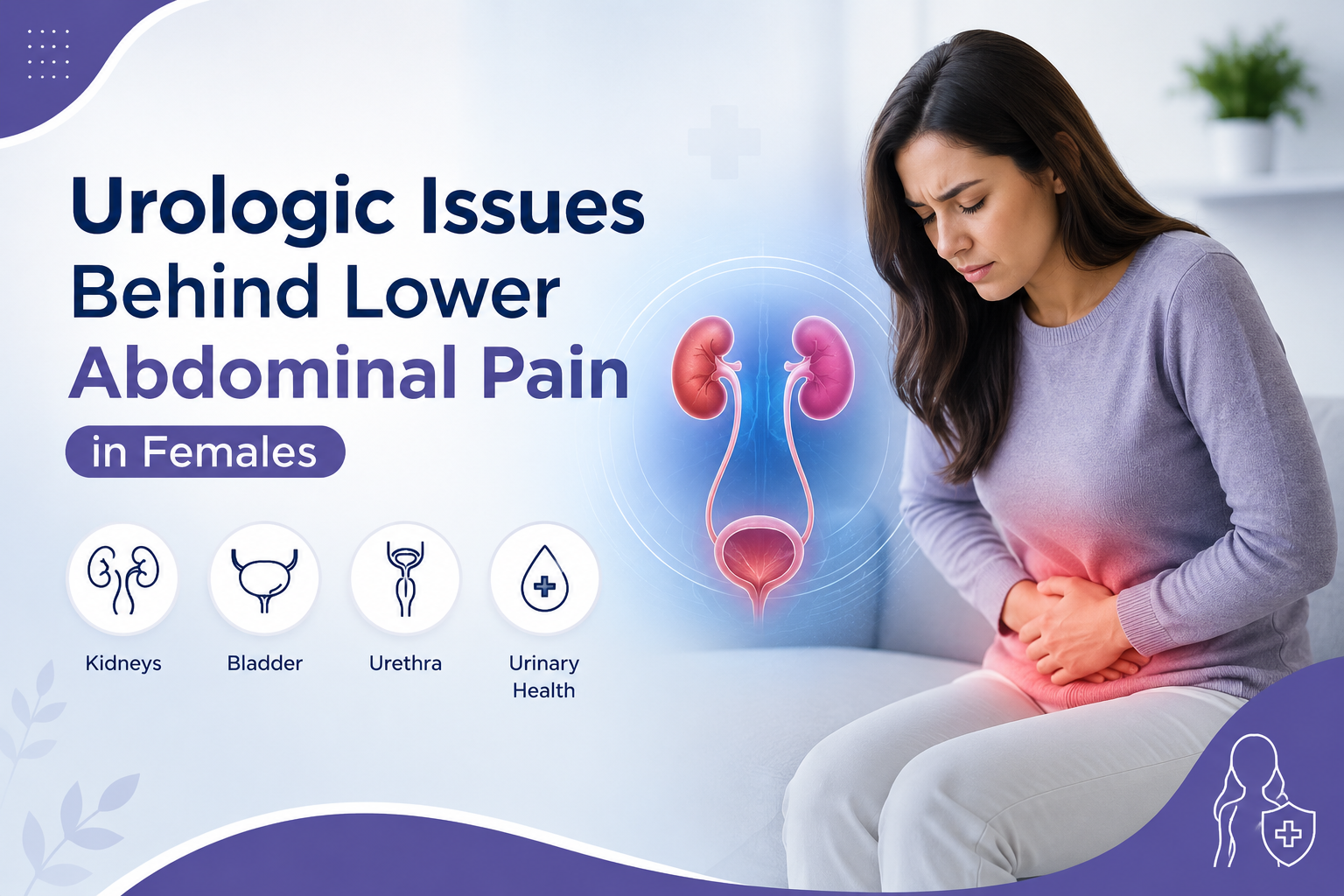
Lower abdominal pain in women can come from either the urinary tract or the reproductive organs, and telling them apart is the first step toward the right treatment. Common urologic causes include urinary tract infections, bladder infections, kidney infections, kidney stones, interstitial cystitis, and overactive bladder. If pain comes with burning urination, frequent urination, or blood in the urine, a urologic cause is likely. Sudden severe pain, high fever, or heavy vaginal bleeding always needs urgent medical care.
Lower abdominal pain is one of the most common reasons women see a doctor, and one of the hardest symptoms to self-diagnose. The organs in the pelvis sit close together, and pain from the bladder, kidneys, or urethra can feel very similar to pain from the uterus or ovaries. This guide explains the urologic causes of lower abdominal pain in women, how to spot when the urinary tract is likely responsible, and when to see a specialist.
Urologic vs Gynecologic Causes: How to Tell the Difference

The single most useful thing to know before searching for a diagnosis is that pelvic pain in women falls into two broad categories.
- Urologic causes come from the kidneys, ureters, bladder, or urethra. These usually cause pain with a strong urinary component: burning urination, urgency, frequency, cloudy urine, or blood in the urine.
- Gynecologic causes come from the uterus, ovaries, fallopian tubes, or vagina. These usually link to the menstrual cycle, or come with vaginal discharge, abnormal bleeding, or pain during intercourse.
Some conditions produce both patterns at once, and pregnancy always changes the differential. This is why a proper evaluation matters. In practice, urologists handle the urinary causes, while gynecologists handle the reproductive causes, and the two specialties often work together on cases that overlap. Focusing on urinary symptoms alongside the pain is the fastest way to work out which door to knock on first.
The Main Urologic Causes of Lower Abdominal Pain in Women
Women are far more prone to urinary tract problems than men because the female urethra is much shorter, allowing bacteria easier access to the bladder. The following conditions are the most common urologic culprits.
Urinary Tract Infection (UTI)
The single most common urologic cause of lower abdominal pain in women. A UTI happens when bacteria, most often E. coli, infect the urethra and bladder. Symptoms typically include burning during urination, frequent trips to the toilet with only small amounts each time, urgency, cloudy or strong-smelling urine, and a dull ache or pressure in the lower abdomen just above the pubic bone. Simple UTIs respond quickly to a short course of antibiotics.
Bladder Infection (Cystitis)
Cystitis is inflammation of the bladder, usually from the same bacteria that cause UTIs. The pain is more focused just above the pubic bone and is often accompanied by a strong, constant urge to urinate. Cystitis and UTI are closely related and are often treated together.
Kidney Infection (Pyelonephritis)
When a bladder infection travels up to the kidneys, the pain shifts higher and to the back or side, though lower abdominal ache can persist. Kidney infections cause fever, chills, nausea, and a feeling of being generally unwell. This is more serious than a simple UTI and usually needs prompt treatment with stronger antibiotics.
Kidney Stones
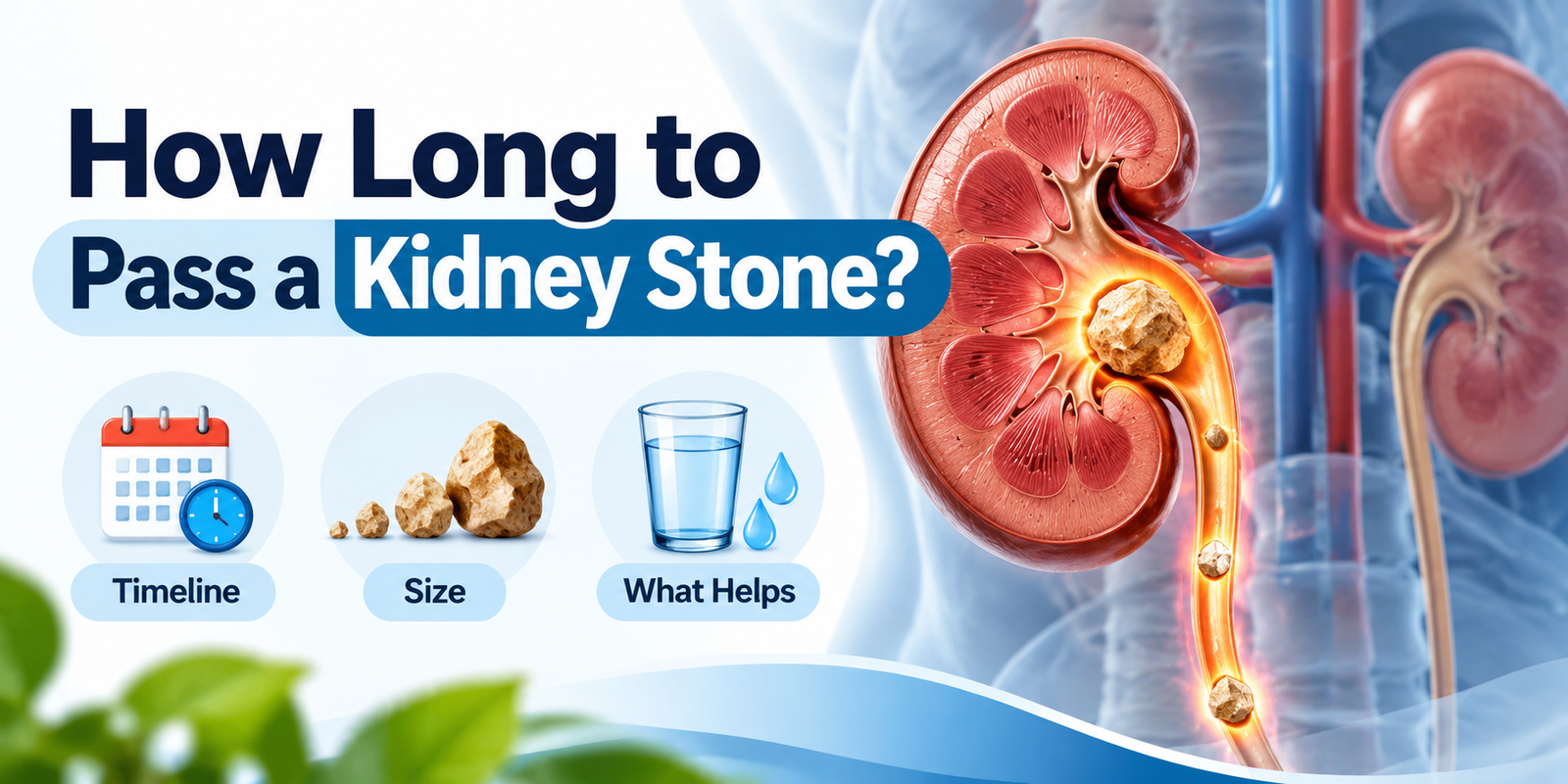
Stones forming in the kidney or moving down the ureter cause severe, cramping pain that often starts in the back or side and radiates around to the lower abdomen and groin. The pain typically comes in waves and can be intense. Blood in the urine, nausea, and vomiting are common. Small stones may pass on their own with fluids and pain relief. Larger stones often need a urological procedure.
Interstitial Cystitis (Bladder Pain Syndrome)
Interstitial cystitis is a chronic condition where the bladder wall becomes inflamed without an infection. It causes ongoing pelvic pain, pressure, and a frequent need to urinate that can occur day and night. Pain often worsens as the bladder fills and eases briefly after urination. It is significantly more common in women than in men and can take time to diagnose, since the urine tests are usually clear.
Overactive Bladder
An overactive bladder involves sudden, strong urges to urinate that are hard to postpone, often with frequent trips day and night. It can cause a persistent lower abdominal ache or pressure even between bathroom trips. It is not an infection and is treated with bladder training, pelvic-floor exercises, and specific medications.
Urethritis
Urethritis is inflammation of the urethra, sometimes from a UTI and sometimes from a sexually transmitted infection such as chlamydia or gonorrhoea. It causes burning during urination and low-grade lower abdominal discomfort. Because burning urination has causes beyond a straightforward UTI, our guide on burning urination causes beyond a UTI covers the wider picture.
Bladder Cancer (Uncommon but Important)
Bladder cancer is far less common than the conditions above but is worth knowing about, particularly in women over 55 or those with a smoking history. It typically presents with painless blood in the urine, sometimes accompanied by increased urinary frequency or a dull pelvic ache. Any visible blood in the urine deserves a proper urological evaluation, even if it happens only once.
Symptoms That Point to a Urologic vs Gynecologic Cause
The table below shows how symptoms tend to cluster, which helps steer you toward the right kind of specialist.
| Symptom pattern | More likely urologic | More likely gynecologic |
|---|---|---|
| Burning during urination | Yes | Rarely |
| Frequent urination or urgency | Yes | Rarely |
| Blood in the urine | Yes | Rarely |
| Cloudy or foul-smelling urine | Yes | Rarely |
| Pain linked to the menstrual cycle | Rarely | Yes |
| Abnormal vaginal bleeding or discharge | Rarely | Yes |
| Pain during or after intercourse | Sometimes | Often |
| Pain in the flank or back with fever | Yes (kidney infection) | Rarely |
| Sudden severe one-sided pelvic pain | Sometimes (kidney stone) | Often (ovarian cyst, ectopic) |
| Cramping in a cyclical pattern | Rarely | Yes |
This is a starting point, not a diagnosis. Many women will have symptoms in both columns and need a coordinated assessment.
When Lower Abdominal Pain Is an Emergency
Some presentations need urgent care rather than a scheduled appointment. Seek immediate medical attention if you have:
- Sudden, severe lower abdominal pain that will not settle
- High fever, chills, and vomiting with pelvic pain
- Heavy vaginal bleeding with pain, or bleeding during pregnancy
- Signs of shock: fainting, rapid heart rate, or cold, clammy skin
- Pain with an inability to urinate at all
- Blood in the urine with severe pain
These may signal a kidney infection, obstructing kidney stone, ectopic pregnancy, ruptured ovarian cyst, or another serious cause that needs same-day evaluation.
Related Symptoms to Watch For
Symptoms accompanying the pain often point directly to the cause. Tell your doctor if you also have:
- Burning or pain with urination
- Blood in the urine or in the toilet after urinating
- Foamy or unusually cloudy urine
- Difficulty starting urination or an incomplete stream
- Waking multiple times at night to urinate
- Fever, chills, or feeling generally unwell
- Nausea or vomiting
- Pain during intercourse
- Abnormal vaginal discharge or bleeding
The more specific you can be about the pattern of your symptoms, the faster your doctor can narrow the diagnosis.
When to See a Doctor
Book an appointment with a urologist or gynecologist if:
- Lower abdominal pain lasts more than a couple of days
- You have any burning, frequency, blood in the urine, or other urinary symptoms
- Pain keeps returning in a pattern
- Simple over-the-counter measures do not help
- You have a history of kidney stones, recurrent UTIs, or bladder problems
If urinary symptoms are the main feature of your pain, a urologist is the right first stop. If the pain is clearly linked to your menstrual cycle, reproductive tract, or pregnancy, a gynecologist is a better starting point. When it is genuinely unclear, either specialist can help work out which system is involved and refer you appropriately.
How Urologic Lower Abdominal Pain Is Diagnosed
Working out the cause is usually straightforward. A urologist will typically:
- Take a full history, including pattern of pain, urinary symptoms, menstrual history, sexual history, and any past kidney or bladder problems
- Perform a physical examination of the abdomen and pelvis
- Order a urinalysis and urine culture to look for infection and blood
- Add blood tests to check kidney function and for signs of infection
- Arrange an ultrasound of the kidneys and bladder, which is often the single most useful imaging test
- Consider a CT scan when a kidney stone or another structural cause is suspected
- Perform a cystoscopy if bladder pain, blood in the urine, or interstitial cystitis is a concern
If gynecologic causes cannot be ruled out on history, referral to a gynecologist for a pelvic examination and ultrasound is the right next step.
How Urologic Causes of Lower Abdominal Pain Are Treated
Treatment always depends on the cause:
- Simple UTI or cystitis: a short course of the right antibiotic, plus increased fluids
- Kidney infection: stronger or longer antibiotics, sometimes intravenous, with close monitoring
- Kidney stones: hydration and pain relief for small stones; procedures such as shockwave lithotripsy or ureteroscopy for larger stones
- Interstitial cystitis: dietary changes, bladder training, physiotherapy, and specific bladder medications, tailored over time
- Overactive bladder: pelvic-floor training, bladder retraining, and medications that calm the bladder
- Urethritis: targeted antibiotics based on the cause, including STI treatment where relevant
- Bladder cancer: confirmed by cystoscopy and biopsy, then treated by urological surgery and other specialist therapies
The clearest path is always accurate diagnosis first. Trying multiple courses of antibiotics without knowing the cause often prolongs symptoms.
Expert Urological Care in Delhi NCR
Lower abdominal pain deserves a careful, unhurried evaluation, whatever the underlying cause. Dr. Ashish Saini is a urologist and andrologist at Excel Advanced Urology Center in Greater Kailash 1, New Delhi, whose practice covers the full range of urinary tract, kidney, and bladder conditions in both men and women.
- MCh Urology from AIIMS, New Delhi
- MBBS and MS from KGMU, Lucknow
- 15+ years of clinical experience in urology and andrology
- 21,000+ surgeries performed across urological procedures
This depth of training means the urologic causes of your pain are properly assessed with the right tests, and when a gynecologic cause is more likely, you are referred appropriately without wasted time.