

}})
Prostate disease refers to medical conditions that affect the prostate gland, a small organ found only in men and located below the bladder. These conditions are common after the age of 40 and can cause urinary, sexual, and pelvic symptoms.
Common prostate diseases include benign prostate enlargement, prostatitis, and prostate cancer. While symptoms may start mildly, ignoring them can lead to complications. This guide explains prostate disease symptoms, diagnostic tests, and treatment options in simple terms.
Prostate disease is one of those health topics many men hear about but do not fully understand. Some ignore it. Others worry too much after reading half-baked information online. The truth sits somewhere in between.
The prostate is a small gland, but when it develops problems, the impact can feel big. Urination becomes uncomfortable. Sleep gets disturbed. Sexual health may change. Quality of life can slowly slide if the issue is not addressed.
The good news is simple. Most prostate diseases are manageable, especially when diagnosed early. Modern medicine offers many safe and effective treatment options. This guide explains everything step by step, in plain language, without medical confusion.
What Is Prostate Disease?
Prostate disease is a broad term. It does not mean one single illness.
In simple words, prostate disease refers to any health condition that affects the prostate gland. These conditions are common, especially in men over the age of 40 to 50.
In many regions, people use words like gadood or gadud. When patients ask about gadood disease in English, doctors usually mean prostate gland disease. It is not a separate illness. It is just a local way of describing prostate-related problems.
Think of prostate disease like car trouble. The car is one unit, but problems can be different. It could be a flat tire, engine overheating, or a fuel issue. In the same way, prostate disease includes different conditions, each with its own cause and treatment.
What Is the Prostate Gland?
The prostate gland is found only in men. It is small, about the size of a walnut in younger men.
Where is it located?
The prostate sits just below the bladder. The urine tube, called the urethra, passes through the center of the prostate. This detail matters because when the prostate enlarges, it can press on the urine tube and cause urinary problems.
What does it do?
The prostate produces a fluid that mixes with sperm. This fluid helps protect sperm and allows it to travel better. You can think of it like oil in an engine. Without it, things do not move smoothly.
Does the prostate change with age?
Yes. As men age, the prostate often grows larger. For many men, this enlargement happens slowly and causes no issues. For others, it leads to symptoms that need medical care.
Common Types of Prostate Diseases
Not all prostate problems are the same. Understanding the difference helps reduce fear and confusion.
Benign Prostatic Hyperplasia (BPH)
BPH is the most common prostate gland disease in older men.
Benign means non-cancerous. Hyperplasia means enlargement.
In BPH, the prostate grows bigger and presses on the urine tube. Imagine stepping on a garden hose. The water still flows, but slowly and unevenly. That is what happens to urine flow in BPH.
BPH is not cancer. It does not turn into cancer. But it can cause uncomfortable urinary symptoms if untreated.
Prostatitis
Prostatitis means inflammation of the prostate. It can affect younger and middle-aged men, not just older adults.
Sometimes prostatitis is caused by bacteria. Other times, no infection is found. This can make diagnosis tricky.
Symptoms often include pain, burning during urination, pelvic discomfort, or pain during ejaculation. It can feel like a deep ache that refuses to go away.
Prostatitis is often frustrating but usually treatable with proper care.
Prostate Cancer
Prostate cancer is one of the most common cancers in men worldwide.
The prostate, a tiny gland in the male reproductive system that secretes seminal fluid, is where prostate cancer begins. There, cells grow uncontrollably, frequently very slowly. It is common, particularly in older men, and often grows so slowly that there are no symptoms.
Many men die from other causes as a result of it. However, aggressive forms can spread (metastasize) to other body parts, such as bones, so screening for early detection is essential for better results.
It often grows slowly. Many men live long lives without symptoms, especially when cancer is detected early. However, some types can grow faster and spread if not treated in time.
Early detection plays a major role. Regular screening can catch prostate cancer before it causes serious problems.
Prostate Disease Symptoms and Warning Signs
Prostate disease symptoms can look similar across different conditions. That is why tests are important.
Common prostate problems symptoms and signs include:
- Needing to urinate often, especially at night
- Trouble starting urination
- Weak or interrupted urine stream
- Feeling that the bladder does not empty fully
- Pain or burning while passing urine
- Blood in urine or semen
- Pain in the lower abdomen, pelvis, or lower back
- Pain during ejaculation
Not every symptom means something serious. But ignoring them is like ignoring a warning light on your dashboard. It may not be urgent today, but it could become a bigger issue later.
When Should You See a Doctor?
Many men wait too long before seeking help. They assume symptoms are just part of aging.
You should consult a doctor if:
- Symptoms last more than a few weeks
- Urination becomes painful or difficult
- You see blood in urine or semen
- You suddenly cannot pass urine
- There is a family history of prostate cancer
Early consultation often means simpler treatment. Waiting usually makes things more complicated.
Diagnostic Tests for Prostate Disease
Doctors do not rely on symptoms alone. Tests help identify the exact problem.
Digital Rectal Exam (DRE)
This exam allows the doctor to feel the prostate through the rectum. It sounds uncomfortable, but it is quick and usually not painful.
The doctor checks size, shape, and texture. A hard or uneven surface may need further testing.
PSA Blood Test
PSA stands for prostate-specific antigen. It is a protein made by the prostate.
Higher PSA levels can indicate enlargement, infection, or cancer. PSA alone does not diagnose cancer. It is more like a smoke alarm. It tells doctors when to look closer.
Urine Tests
Prostate cancer urine tests are sophisticated, non-invasive instruments that evaluate genetic markers in urine to identify and evaluate the risk of aggressive cancer, frequently in addition to the conventional PSA blood test. In order to help doctors determine whether a biopsy is necessary, tests like MyProstateScore (MPS) and PCA3 search for particular genes (such as TMPRSS2:ERG) shed from the prostate. This could reduce needless procedures and improve early detection of high-grade cancers.
Ultrasound or MRI
Imaging tests show the size and structure of the prostate. MRI is especially helpful if cancer is suspected.
Prostate Biopsy
If cancer is suspected, small tissue samples are taken from the prostate. These are examined under a microscope.
A biopsy sounds scary, but it is a controlled and commonly performed procedure.
Prostate Disease Treatment Options
Prostate disease treatment depends on the type and severity of the condition. Not everyone needs surgery.
Treatment for BPH
Mild symptoms may only need monitoring.
Moderate symptoms are often treated with medications that relax prostate muscles or shrink the gland over time.
If symptoms become severe, minimally invasive procedures or surgery may be recommended. Modern techniques focus on quicker recovery and fewer side effects.
Treatment for Prostatitis
Bacterial prostatitis is treated with antibiotics. Treatment duration may be longer than other infections.
Non-bacterial prostatitis focuses on pain relief, anti-inflammatory medicines, and lifestyle changes.
Patience matters here. Symptoms may take time to improve.
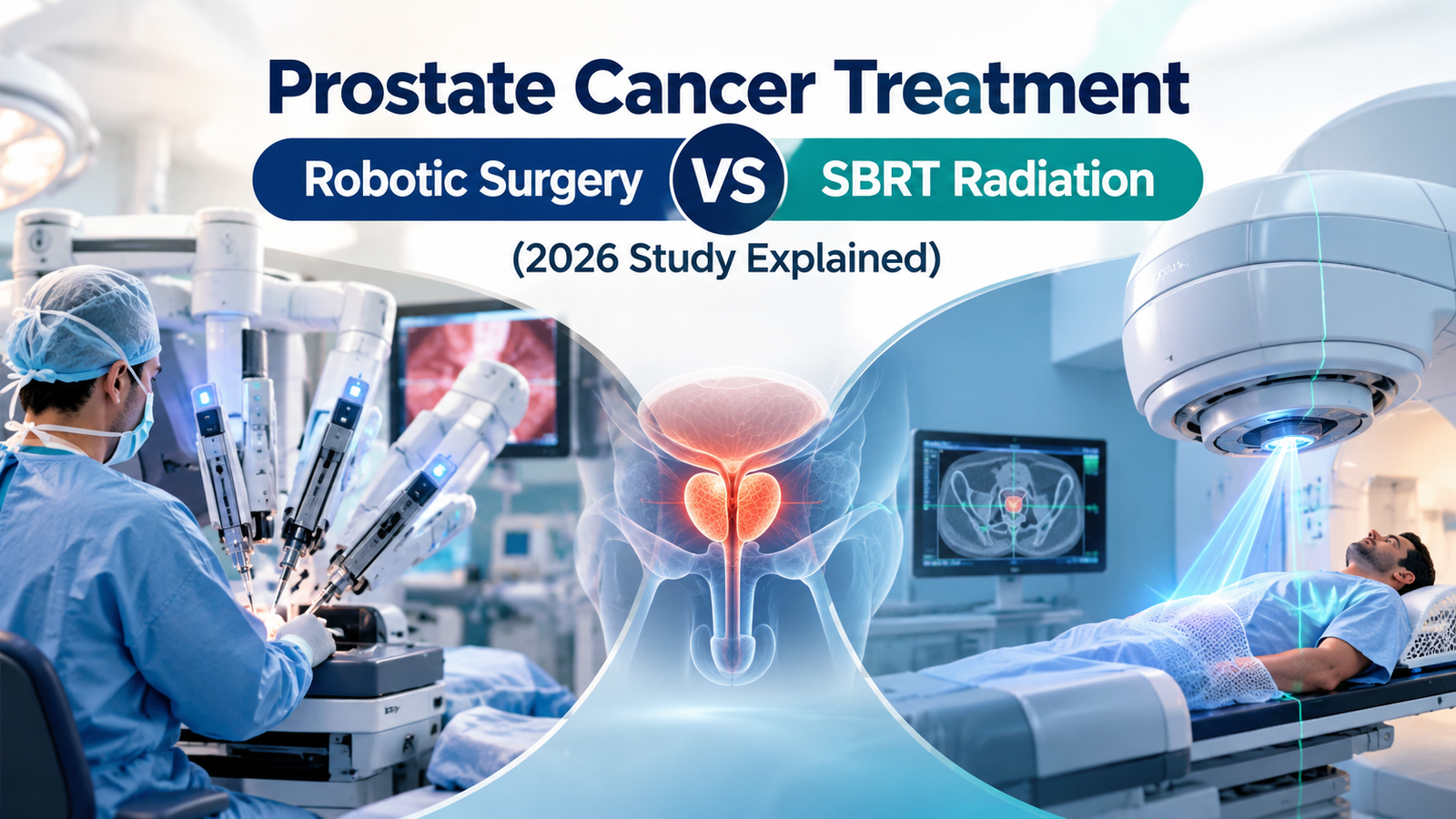
Treatment for Prostate Cancer
Treatment depends on cancer stage, age, and overall health.
Early-stage cancers may only need active surveillance. This means careful monitoring without immediate treatment.
Other options include surgery, radiation therapy, hormone therapy, or chemotherapy for advanced cases.
Doctors tailor treatment plans like custom-made suits. One size does not fit all.
Lifestyle and Home Care Tips
Medical treatment works best when supported by healthy habits.
Reducing caffeine and alcohol can ease urinary symptoms. These drinks irritate the bladder.
Drinking fluids evenly through the day helps avoid sudden urges.
Regular physical activity improves blood flow and hormone balance.
A balanced diet rich in fruits, vegetables, and whole grains supports prostate health.
Stress management matters too. Stress tightens muscles and worsens symptoms, much like squeezing that garden hose again.
Prevention and Risk Reduction
Not all prostate diseases can be prevented, but risks can be reduced.
Men over 50 should consider regular screening. Those with family history may need earlier checks.
Maintaining a healthy weight helps regulate hormones.
Avoid smoking. It affects blood vessels and healing.
Treat urinary infections promptly. Ignoring them may lead to prostate involvement.
Myths and Misconceptions About Prostate Disease
Many men suffer silently due to myths.
Myth: Prostate disease always means cancer.
Truth: Most prostate conditions are non-cancerous.
Myth: Only old men get prostate problems.
Truth: Prostatitis can affect younger men too.
Myth: Surgery is always required.
Truth: Many cases are treated with medicines or monitoring.
Myth: Symptoms should be ignored.
Truth: Early care prevents complications.
Frequently Asked Questions
What is gadood disease in English?
“Gadood disease” is commonly used to describe prostate gland disease. It refers to medical conditions that affect the prostate, such as enlargement, inflammation, or cancer.
Is prostate disease curable?
Many prostate diseases are treatable and well controlled with proper medical care. Some conditions can be fully cured, while others can be managed long-term with medicines or regular monitoring.
Can prostate problems affect sexual life?
Yes, prostate conditions can affect sexual health by causing pain, reduced ejaculation, or erection-related issues. In many cases, proper treatment helps improve or restore sexual function.
Is prostate surgery risky?
Modern prostate surgery is generally safe when performed by experienced specialists. Like any surgery, there are risks, but advanced techniques have significantly reduced complications and recovery time.
Can young men get prostate disease?
Yes, young men can develop prostate problems, especially prostatitis. This condition often causes pain or urinary symptoms and is usually treatable with medication and supportive care.
How can I clean my prostate naturally?
There is no direct way to “clean” the prostate, but healthy habits can support prostate health. Drinking enough water, eating a balanced diet, exercising regularly, and avoiding smoking can help reduce symptoms.
How do I find my prostate?
The prostate is located below the bladder and in front of the rectum. It can only be felt during a medical examination called a digital rectal exam, which should be done by a trained doctor.
What are the symptoms of prostate problems?
Common symptoms include frequent urination, weak urine flow, difficulty starting urine, and nighttime urination. Pain during urination or ejaculation may also occur in some conditions.
What is the main cause of prostate problems?
Age-related hormonal changes are a major cause of prostate enlargement. Infections, inflammation, genetics, and lifestyle factors can also contribute to prostate problems.
How can I check my prostate at home?
You cannot accurately check your prostate at home. Medical tests like PSA blood tests and physical exams are required to properly assess prostate health.
How to check if prostate is ok?
A doctor evaluates prostate health using symptom review, physical examination, and blood tests such as PSA. Imaging tests may be advised if needed.
Can exercise help prostate issues?
Yes, regular physical activity can improve urinary symptoms and overall prostate health. Exercise also helps maintain healthy weight and hormone balance.
What color is your urine if you have an enlarged prostate?
Urine color usually remains normal in enlarged prostate cases. However, blood in urine may appear pink or red and should be evaluated by a doctor immediately.
When Is Surgery Needed?
Surgery is considered when symptoms are severe or complications develop.
Modern minimally invasive techniques aim to preserve urinary control and sexual function. Recovery today is far better than it was decades ago.
Recovery and Follow-Up Care
- Recovery continues beyond treatment: Treatment is just the first step. The body needs time to heal, and symptoms may improve gradually. Ongoing care helps ensure long-term comfort and prevents setbacks.
- Take medicines exactly as prescribed: Medications work best when taken regularly and for the full duration advised by the doctor. Skipping doses or stopping early can reduce effectiveness or cause symptoms to return.
- Attend regular follow-up visits: Follow-up appointments allow the doctor to track recovery and catch any issues early. These visits help adjust treatment if symptoms change over time.
- Monitor PSA levels when advised: PSA tests help doctors assess how the prostate is responding to treatment. Periodic testing is especially important after prostate cancer treatment or in men under active surveillance.
- Maintain healthy lifestyle habits: Diet, exercise, fluid intake, and stress management all support prostate health. Small daily habits can make a big difference in long-term comfort and symptom control.
Conclusion
Prostate diseases are common and manageable. They are not something to fear or ignore.
Early diagnosis leads to better outcomes. Modern treatments are effective and increasingly patient-friendly.
Most importantly, prostate disease does not have to reduce quality of life when diagnosed early and treated properly.
If symptoms appear, listen to your body. Getting checked today can prevent bigger problems tomorrow.