
}})
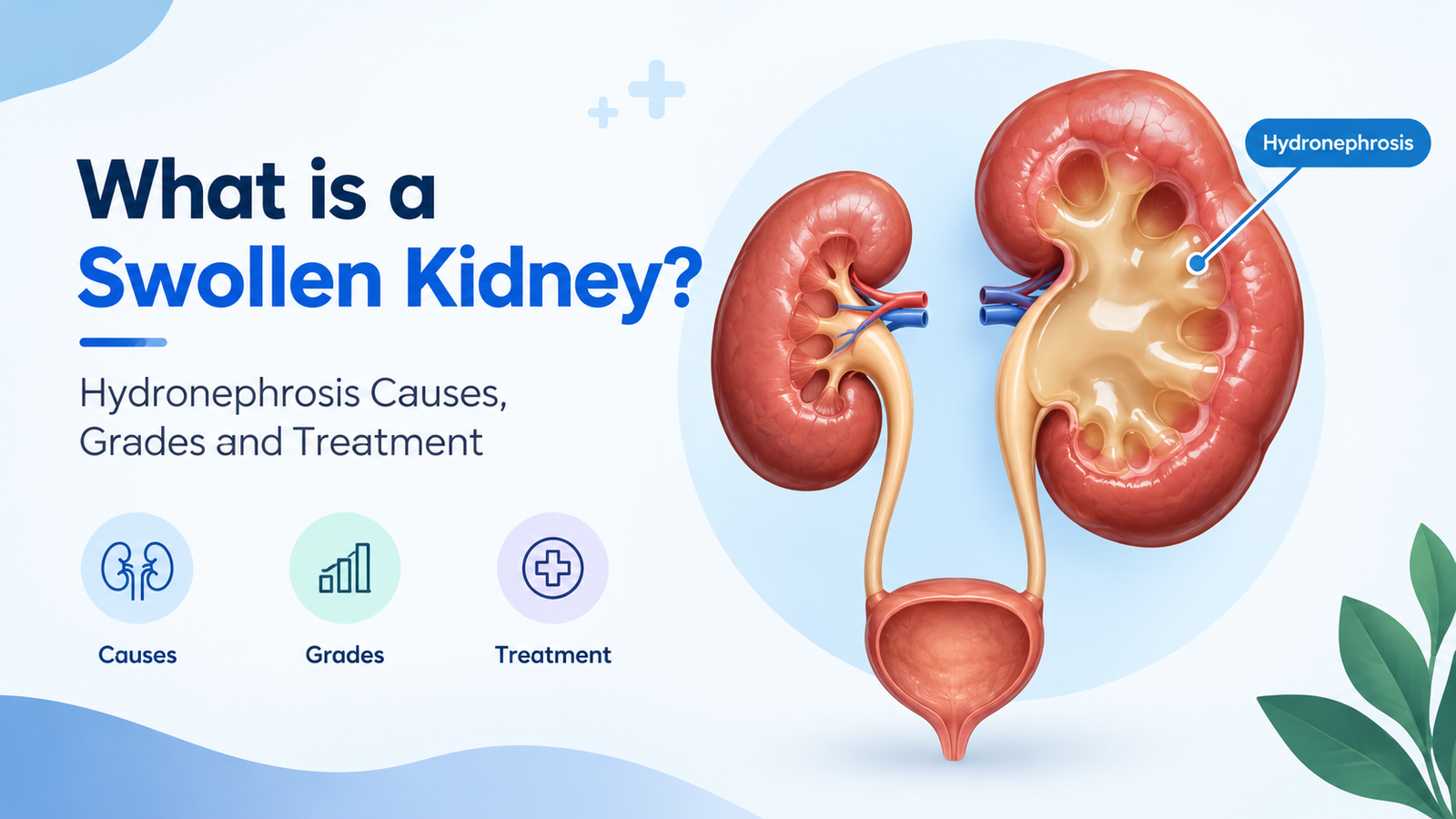
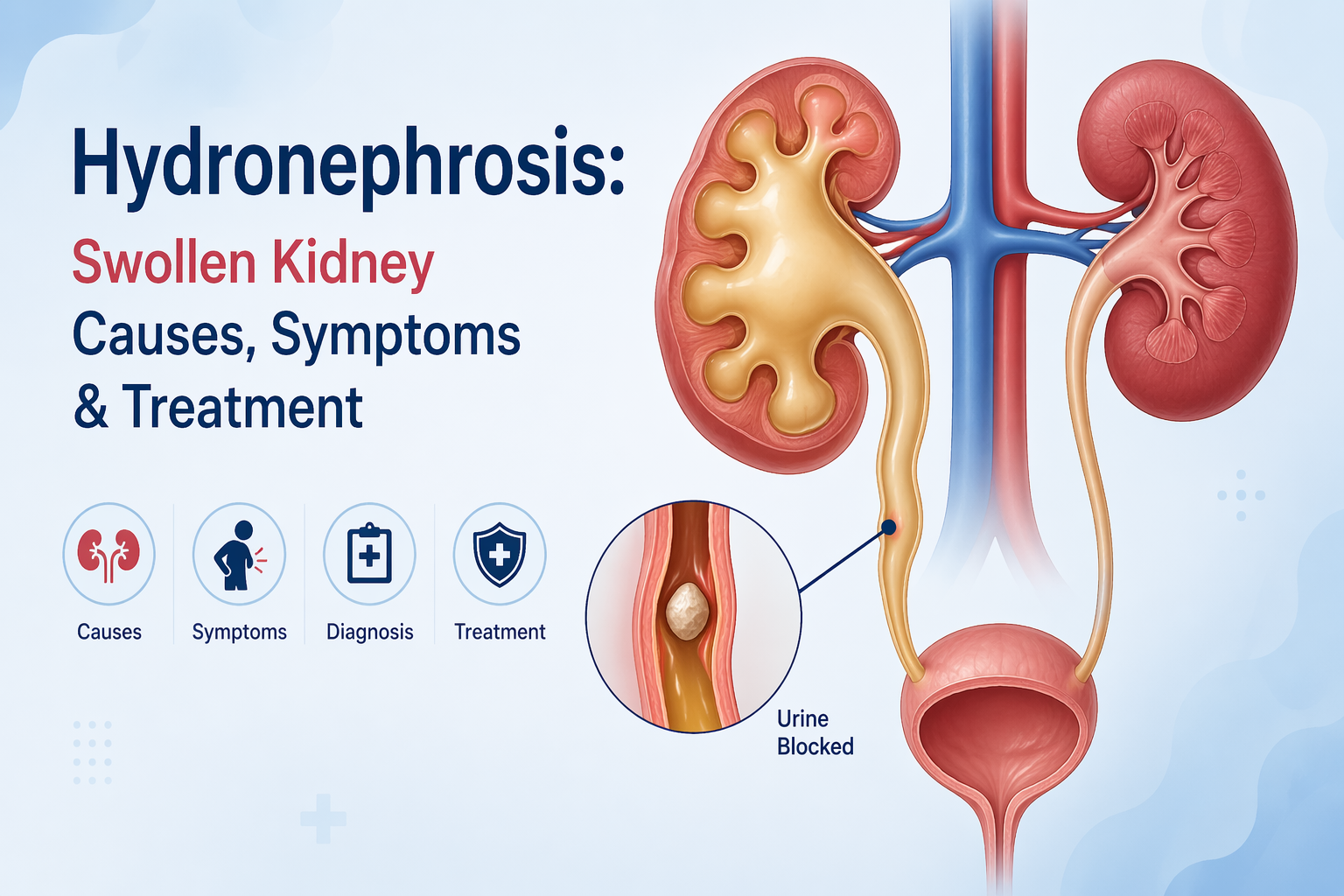
Hydronephrosis is a condition where one or both kidneys become swollen due to a build-up of urine that cannot drain properly. When the normal flow of urine from the kidney to the bladder is blocked or disrupted, pressure builds up inside the kidney, causing it to swell. Without timely treatment, this can damage kidney tissue and, in severe cases, lead to kidney failure.
The good news is that hydronephrosis is treatable. Most people recover fully when the underlying cause is identified and addressed early.
What is Hydronephrosis?
Hydronephrosis - also called upper urinary tract dilation - occurs when something prevents urine from flowing freely from the kidney through the ureter and into the bladder. This causes urine to back up inside the kidney, stretching and swelling the renal pelvis (the funnel-shaped area inside the kidney that collects urine).
The condition is not a disease in itself. It is a sign that something else is wrong somewhere in the urinary tract.
How Does the Urinary Tract Work?
To understand hydronephrosis, it helps to know how the urinary system works:
- Kidneys - Filter waste and toxins from the blood and produce urine.
- Ureters - Two thin tubes that carry urine from each kidney to the bladder.
- Bladder - Stores urine until you are ready to urinate.
- Urethra - The tube through which urine leaves the body.
A blockage or problem at any point in this system - most often between the kidney and ureter - can cause urine to back up and trigger hydronephrosis.
Types of Hydronephrosis

- Unilateral hydronephrosis - Only one kidney is affected. More common.
- Bilateral hydronephrosis - Both kidneys are swollen. This is more serious and requires urgent attention.
- Acute hydronephrosis - Develops suddenly, often due to a kidney stone.
- Chronic hydronephrosis - Builds gradually over time, sometimes with few early symptoms.
- Antenatal hydronephrosis - Detected in an unborn baby during a prenatal ultrasound scan.
How Common is It?
Hydronephrosis affects about 1 in 100 adults at some point in their lifetime. It can occur at any age, including before birth. Antenatal hydronephrosis is found in up to 1% of all pregnancies and is one of the most frequently detected abnormalities on prenatal scans. In most cases involving babies, the condition resolves on its own before or shortly after birth.
What Are the Symptoms of Hydronephrosis?

One of the tricky things about hydronephrosis is that it does not always cause obvious symptoms - especially in mild cases or antenatal cases in babies. When symptoms do appear, they usually reflect the underlying cause or the pressure the swelling is placing on surrounding structures.
Common symptoms include:
- Sudden or persistent pain in the side, lower back, or abdomen
- Needing to urinate more frequently than usual
- Difficulty urinating or incomplete bladder emptying
- Painful urination (dysuria)
- Blood in the urine (hematuria)
- Nausea or vomiting
- Urine that appears cloudy or discoloured
Symptoms of a Related Urinary Tract Infection
Because urine that stagnates in the kidney creates a breeding ground for bacteria, urinary tract infections (UTIs) are a common complication. UTI symptoms alongside hydronephrosis may include:
- Fever, chills, or shivering
- Burning sensation when urinating
- Cloudy or foul-smelling urine
- Fatigue and general weakness
If you experience a fever above 38°C (100.5°F) with any of the above, seek medical help urgently.
What Causes Hydronephrosis?

The root cause is almost always a blockage or obstruction that prevents urine from draining correctly. Here are the most common causes by group.
Causes in Adults
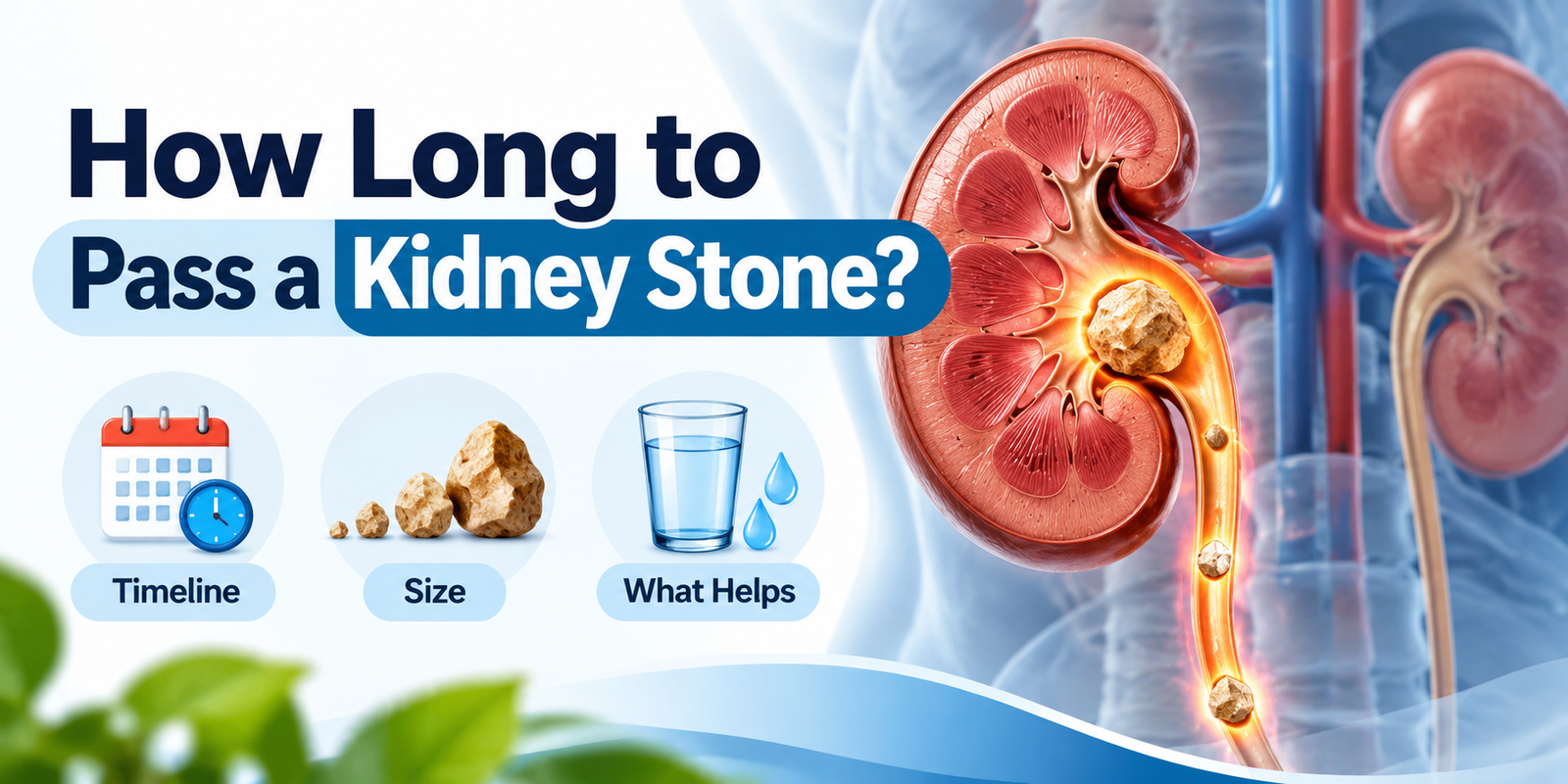
- Kidney stones - Hard mineral deposits that lodge in the kidney or ureter and block urine flow. This is one of the most frequent triggers of acute hydronephrosis.
- Ureteral obstruction - A narrowing or blockage in the ureter due to injury, scarring, or a birth defect.
- Benign prostatic hyperplasia (BPH) - An enlarged prostate puts pressure on the urethra, making it difficult to fully empty the bladder.
- Tumours - Cancers of the bladder, prostate, uterus, or nearby organs can press on and obstruct the ureters.
- Vesicoureteral reflux - Urine flows backward from the bladder into the kidneys instead of out of the body.
- Ureterocele - The lower end of the ureter balloons into the bladder, obstructing urine flow.
- Nerve or muscle problems - Can affect how well the kidneys and ureters function.
- Blood clots - Can form within the urinary tract and create a blockage.
- Urinary retention - The inability to fully empty the bladder, leading to pressure backup.
Causes in People With a Uterus
- Pregnancy - As the uterus grows, it can press on the ureters, reducing urine flow. This is a temporary but common cause.
- Uterine prolapse - When the uterus shifts from its normal position, it can obstruct nearby urinary structures.
- Cystocele (fallen bladder) - Weakening of the wall between the bladder and vagina causes the bladder to drop, disrupting normal urine drainage.
Causes in Unborn Babies (Antenatal Hydronephrosis)
In babies, the condition is often caused by the fetus producing more urine in the later stages of pregnancy. In some cases, a structural blockage in the developing urinary tract is responsible. Most cases resolve naturally without intervention, but more severe cases may require monitoring or treatment after birth.
How Is Hydronephrosis Diagnosed?
Because some cases have no symptoms, hydronephrosis is sometimes discovered during routine tests or scans for unrelated conditions. When symptoms are present, a doctor will use several diagnostic tools:
- Physical examination - Checking for tenderness or swelling near the kidneys and bladder. People with a prostate may need a rectal exam; those with a uterus may need a pelvic exam.
- Urine tests (urinalysis) - To check for blood, bacteria, infection, or stone crystals in the urine.
- Blood tests - Including a complete blood count (CBC), creatinine, estimated GFR (eGFR), and blood urea nitrogen (BUN) to assess kidney function and detect infection.
- Ultrasound - The primary and most widely used imaging tool for detecting kidney swelling.
- CT scan or MRI - Used when more detailed imaging is needed to identify the cause of the blockage.
In unborn babies, hydronephrosis is typically spotted during the 20-week prenatal ultrasound scan. If detected, additional scans are usually arranged to monitor the baby's kidneys during the remainder of the pregnancy.
Hydronephrosis Treatment Options
Treatment always focuses on two things: relieving the pressure on the kidney and addressing the root cause of the blockage. The right approach depends on what is causing the condition and how severe it is. Mild cases sometimes resolve on their own.
Draining the Urine
When hydronephrosis is sudden or severe, the priority is to drain the built-up urine to relieve pain and protect kidney function. This can be done by:
- Inserting a catheter through the urethra or via a small abdominal incision to drain the bladder
- Placing a nephrostomy tube through the skin directly into the kidney to drain excess urine
- Inserting a ureteral stent - a soft plastic tube that holds the ureter open so urine can flow normally
Treating Kidney Stones

If kidney stones are causing the blockage, treatment options include:
- Shock wave lithotripsy (SWL) - High-energy sound waves break the stones into smaller pieces that can pass out of the body naturally. This is the most common non-invasive approach.
- Ureteroscopy - A thin scope is passed through the urethra to locate and remove or break up stones in the bladder or lower ureter.
- Percutaneous nephrolithotomy (PCNL) - Surgery to remove very large or complex stones directly from the kidney through a small incision.
Treating Infection
If a urinary tract infection or bacterial infection is contributing to the narrowing or blockage, a course of antibiotics will be prescribed to clear the infection. Treating the infection promptly also helps prevent further kidney damage.
Treatment in Babies
Antenatal hydronephrosis in babies usually does not need active treatment. Most cases improve naturally during pregnancy or within the first few months of life. If the condition persists, doctors may prescribe low-dose antibiotics to prevent infections while monitoring kidney function through regular ultrasound follow-ups. Surgery is rarely needed but may be considered for persistent or severe cases.
Possible Complications
When hydronephrosis is caught and treated early, most people recover fully with no lasting kidney damage. However, when left untreated or in very severe cases, complications can include:
- Kidney damage - Prolonged pressure can permanently damage kidney tissue
- Chronic kidney disease - Long-term reduced kidney function
- Kidney failure - In the most severe untreated cases, the kidney may stop functioning altogether
- Recurrent UTIs - Stagnant urine increases the risk of repeated bacterial infections
- Sepsis - A rare but life-threatening complication if a UTI spreads to the bloodstream
If kidney failure does occur, treatment options such as dialysis or a kidney transplant may be necessary.
Can Hydronephrosis Be Prevented?

Because hydronephrosis is caused by an underlying condition, preventing it means managing or reducing the risk of those conditions. Steps you can take include:
- Stay well hydrated to help flush the kidneys and reduce the risk of kidney stones
- Treat urinary tract infections promptly before they lead to complications
- Seek early medical attention for symptoms like back pain, painful urination, or blood in the urine
- Manage prostate health with regular check-ups if you are at risk of BPH
- Attend all prenatal scans during pregnancy to detect antenatal hydronephrosis early
People with a personal or family history of kidney stones, urinary tract infections, urinary tract cancer, blood clots, or an enlarged prostate should be especially vigilant about kidney health.
When Should You See a Doctor?
Do not wait if you experience any of the following:
- Sudden or severe pain in your side, back, or abdomen
- Blood in your urine
- Significant changes in urination frequency or difficulty urinating
- Nausea or vomiting alongside urinary symptoms
- A temperature above 38°C (100.5°F) with urinary symptoms
These symptoms can indicate a serious underlying issue that needs prompt investigation.
UNIQUE INSIGHTS & EXPERT TIPS
Expert Tip - The "Silent Swelling" Risk: Many cases of chronic hydronephrosis develop with little or no pain because the kidney swells slowly over time. This is why regular health check-ups and ultrasounds are important for people with known risk factors like kidney stones or BPH - catching it before symptoms appear protects long-term kidney function.
Framework - The Two-Step Treatment Rule: Think of treatment in two phases. Phase 1 is always about drainage - relieve the pressure immediately to protect the kidney. Phase 2 is about fixing the cause - whether that is removing a stone, treating an infection, or correcting a structural problem. Skipping Phase 1 in urgent cases can result in irreversible kidney damage.
Practical Insight - Pregnancy and Hydronephrosis: Mild hydronephrosis during pregnancy is surprisingly common and often temporary. If you are pregnant and experiencing flank pain or urinary changes, mention it at your next prenatal appointment. Most cases resolve after delivery, but monitoring is still important.
CONCLUSION
Hydronephrosis - a swollen kidney caused by blocked or impaired urine drainage - is more common than most people realise. It affects adults, children, and even unborn babies. While the condition can range from mild and self-resolving to severe and kidney-threatening, the key factor in every case is timing. Early diagnosis and prompt treatment dramatically reduce the risk of long-term kidney damage.
Actionable Takeaways:
- Know the symptoms - side or back pain, blood in urine, and changes in urination are the key warning signs
- Do not ignore recurring UTIs - they may be a sign of an underlying blockage
- Attend all prenatal scans during pregnancy to catch antenatal hydronephrosis early
- If you are in a high-risk group (kidney stones, BPH, urinary tract history), schedule regular kidney function reviews
- Seek urgent medical attention if symptoms appear - prompt care protects your kidneys