
}})
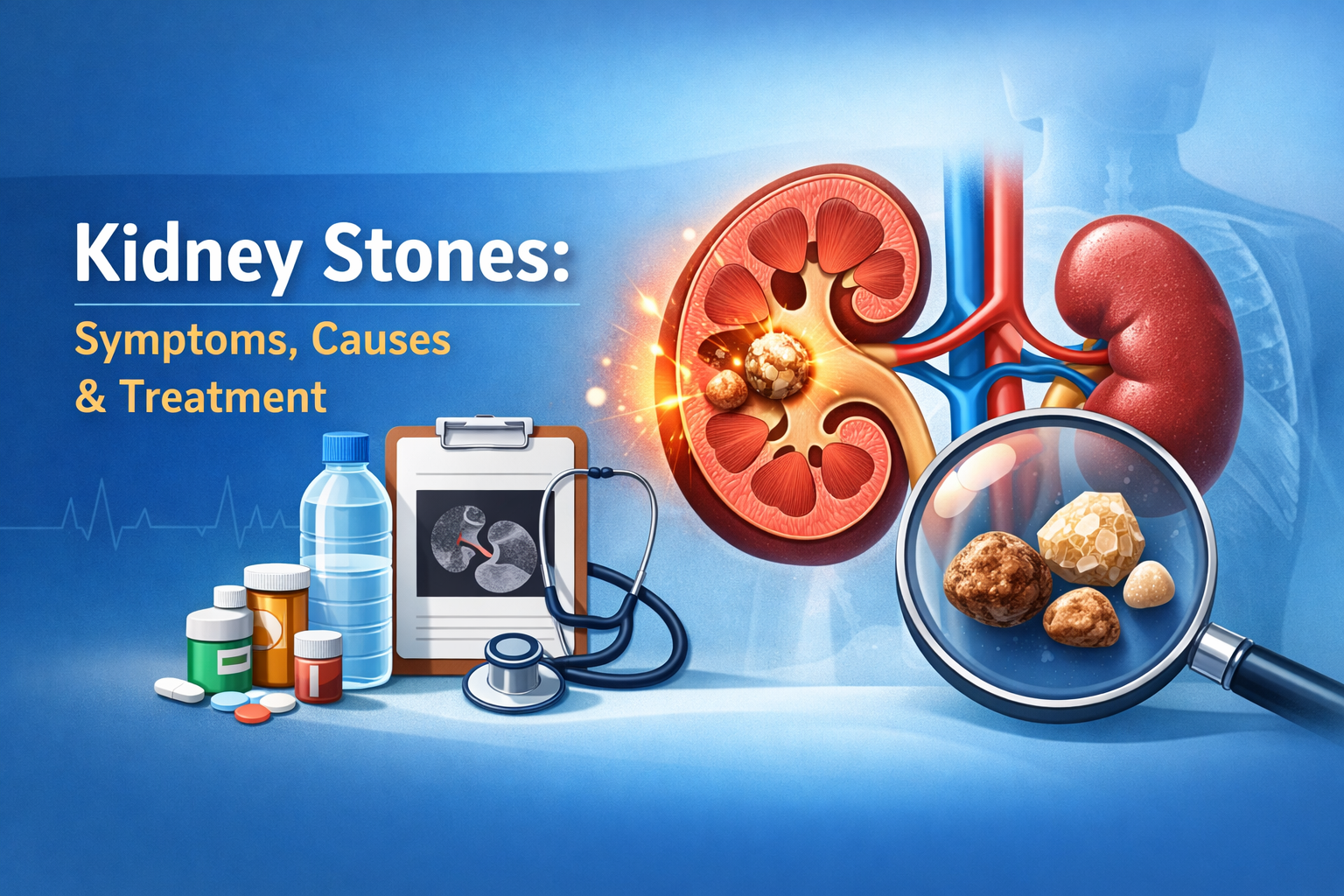
Kidney stones are one of the most common urological problems seen in clinics today. Many people experience them at least once in their lifetime. Some stones remain silent and go unnoticed. Others cause sudden, severe pain that makes even simple activities difficult.
This guide explains kidney stone disease in a clear and patient-friendly way. It covers symptoms, causes, diagnosis, treatment options, and prevention steps. The aim is to answer common doubts and help people understand when to seek medical help.
Medically, kidney stones are known as nephrolithiasis. They are hard deposits formed inside the kidneys when minerals and salts in urine crystallise and stick together. These deposits can stay in the kidney or travel into the urinary tract. When they move, they often cause pain and discomfort.
Understanding kidney stones early helps prevent complications. It also makes treatment easier and recovery faster.
Understanding Kidney Stone Disease
Kidneys filter waste from the blood and produce urine. Urine carries minerals, salts, and other substances that the body does not need. Normally, these substances dissolve and pass out easily.
But sometimes urine becomes concentrated. This happens when water intake is low or when certain minerals increase. The substances start forming crystals. Over time, these crystals join together and form stones.
Kidney stone disease is common in both men and women. It is influenced by hydration habits, diet, genetics, lifestyle, and climate. People who live in hot environments or do not drink enough water are more likely to develop stones.
The good news is that most kidney stones are treatable. Early detection and proper care prevent long-term problems.
What Are Kidney Stones?
Kidney stones are solid masses formed from minerals such as calcium, oxalate, uric acid, or cystine. Their size can vary widely. Some are as tiny as grains of sand, while others grow large enough to block urine flow.
Small stones may pass through urine without much discomfort. Larger stones can get stuck in the urinary tract. This causes irritation, swelling, and intense pain.
There are different types of kidney stones. Calcium stones are the most common. Uric acid stones often occur in people with high protein intake or metabolic conditions. Infection stones form due to repeated urinary infections. Cystine stones are rare and usually linked to genetic factors.
Knowing the type of stone helps doctors plan treatment and prevention.
Symptoms of Kidney Stones
Symptoms depend on the size and movement of the stone.
Some people may not feel anything if the stone stays in the kidney. Problems begin when the stone moves into the ureter and blocks urine flow.
The most common symptom is severe pain in the back or side. This pain often spreads toward the abdomen or groin. It usually comes in waves and may increase suddenly.
Many patients describe it as sharp and unbearable. The body tries to push the stone forward, which causes spasms and pain.
Other symptoms may include burning during urination, blood in urine, frequent urination, nausea, and vomiting. If infection develops, fever and chills may occur. This situation requires immediate medical attention.
Causes of Kidney Stones
Kidney stones usually form due to a combination of factors rather than one single cause.
Low water intake is one of the most common reasons. When the body is dehydrated, urine becomes concentrated and minerals stick together more easily.
High salt intake increases calcium in urine. Excess animal protein raises uric acid levels. Both contribute to stone formation.
Family history also plays a role. Some people are naturally more prone to developing stones.
Obesity, diabetes, and metabolic disorders increase the risk further.
Many people ask whether whey protein causes kidney stones. Moderate intake is usually safe for healthy individuals. But excessive protein supplements, especially without adequate hydration, may increase risk in some people.
Risk Factors That Increase Stone Formation
Certain conditions make kidney stones more likely.
Dehydration is a major risk. People who drink less water or sweat heavily are at higher risk.
Repeated urinary infections contribute to infection stones.
High calcium or uric acid levels in blood increase the chances of stone formation.
Diabetes and obesity change metabolism and raise the risk.
These factors do not guarantee stones. But they increase the possibility significantly.
Are Kidney Stones Dangerous?
Most kidney stones are treatable and do not cause permanent harm when managed early.
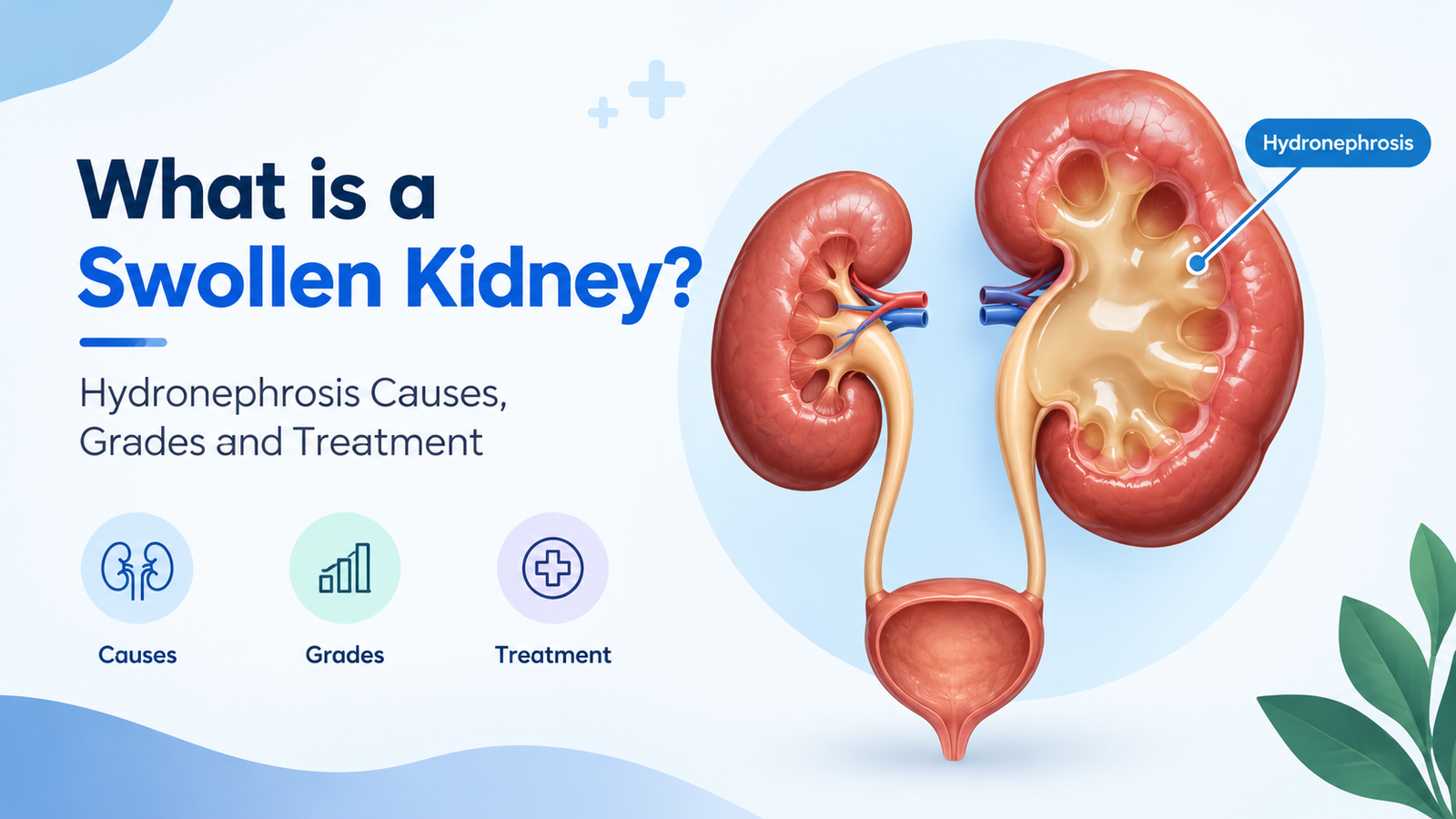
However, ignoring them can lead to complications. Large stones may block urine flow and cause swelling in the kidney. Infection can develop behind the blockage. Over time, this may damage kidney tissue.
In rare cases, untreated stones and infections can become life-threatening.
So while kidney stones are common, they should never be ignored.
Diagnosis of Kidney Stones
Doctors use different tests to confirm kidney stones and assess their impact.
Ultrasound is often the first investigation. It is simple, safe, and widely available.
CT scan provides the most accurate picture. It shows stone size, location, and blockage clearly.
X-rays help identify certain types of stones.
Urine tests detect blood, infection, and crystals.
Blood tests evaluate kidney function, calcium levels, and uric acid.
These investigations help doctors choose the most suitable treatment.
Treatment Options for Kidney Stones
Treatment depends on the size, location, and type of stone. It also depends on symptoms and overall health.
Small stones often pass naturally. Large stones may need medical procedures.
Medicines for Small Stones
For small stones, doctors usually prescribe pain relief medicines and drugs that help relax the urinary tract. Hydration is strongly encouraged because increased urine flow helps flush the stone.
Certain stones, such as uric acid stones, can dissolve with specific medications.
Some herbal remedies are commonly used, but medical advice should guide treatment decisions.
Non-Surgical Treatments
Shockwave therapy is used to break stones using sound waves. This method works well for medium-sized stones.
Medical expulsive therapy uses medications that help stones pass more easily.
These methods avoid surgery whenever possible.
Surgical Treatments
When stones are large or stuck, surgical removal becomes necessary.
URSL is used for stones in the ureter.
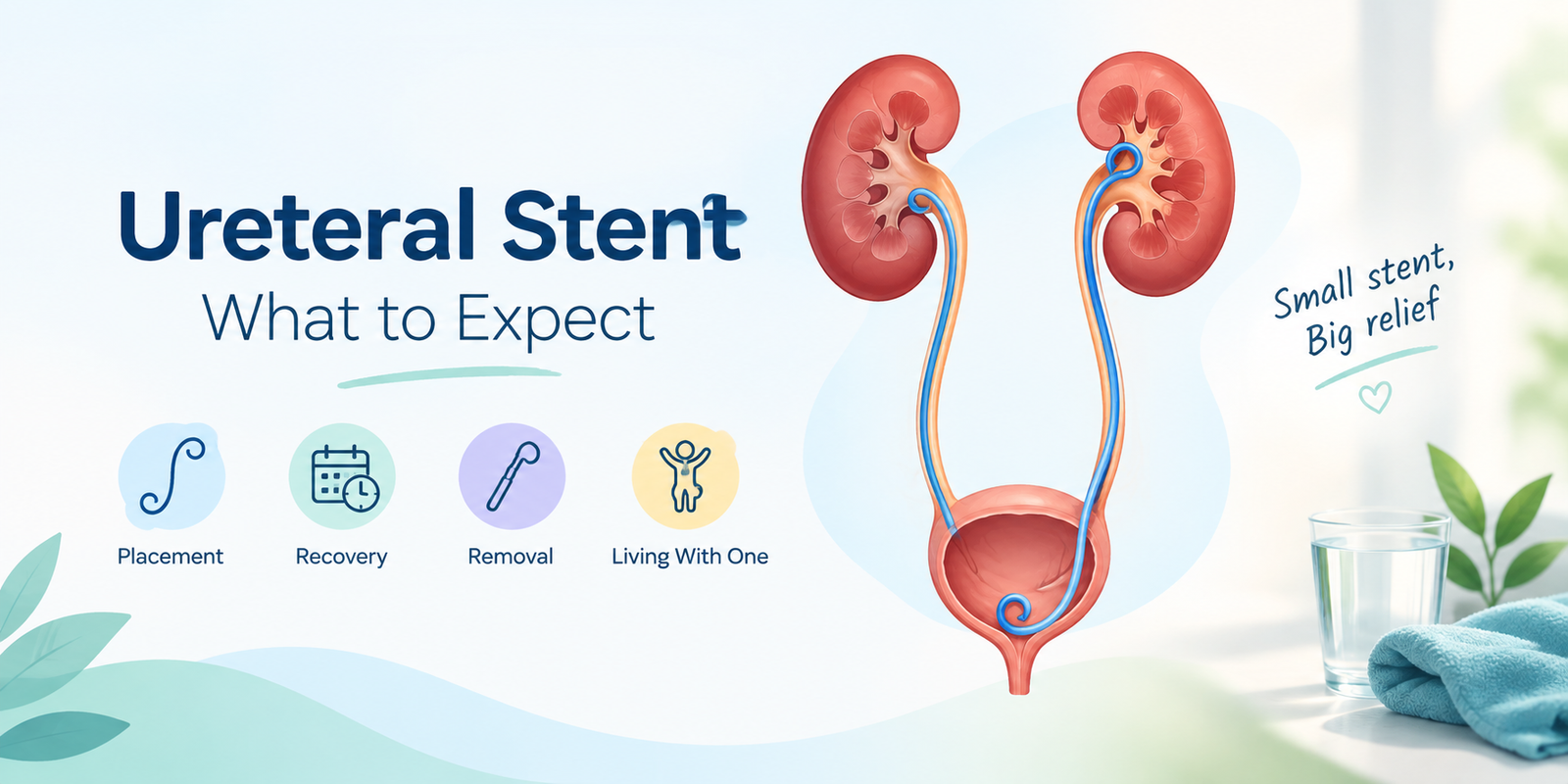
RIRS uses a flexible scope to reach kidney stones and break them.
PCNL is used for large kidney stones and removes them directly through a small incision in the back.
Each procedure is chosen based on the stone’s size and location.
Dialysis, Kidney Transplant and Kidney Stones
Many patients worry that kidney stones automatically lead to dialysis. This is not correct.
Dialysis is required only when kidney function fails completely.
Kidney stones rarely lead to dialysis unless they are ignored for a long time and cause severe damage.
Kidney transplant is considered only in advanced kidney failure, not in routine stone cases.
Most patients recover fully after treatment.
Prevention of Kidney Stones
Preventing kidney stones is easier than treating them.
Drinking enough water daily is the most important step. Urine should remain pale in color.
Reducing salt intake helps control calcium levels.
Balanced calcium intake is necessary. Extremely low calcium diets may increase risk.
Limiting excess red meat and processed food helps.
Maintaining a healthy weight reduces metabolic risks.
These simple habits significantly lower the chances of stone formation.
Diet for Kidney Stone Patients
Diet changes depend on the type of stone.
Increasing fluid intake is essential. Citrus fruits are helpful because they contain natural compounds that reduce stone formation.
Processed foods and high-sodium items should be limited.
Excess protein intake should be avoided.
A balanced diet supports long-term kidney health.
Do Kidney Stones Come Back?
Yes, kidney stones can return if lifestyle habits remain unchanged.
Many patients develop another stone within a few years. Prevention requires hydration, diet control, and regular follow-ups.
Stone analysis helps doctors suggest personalized prevention strategies.
Common Questions Patients Ask
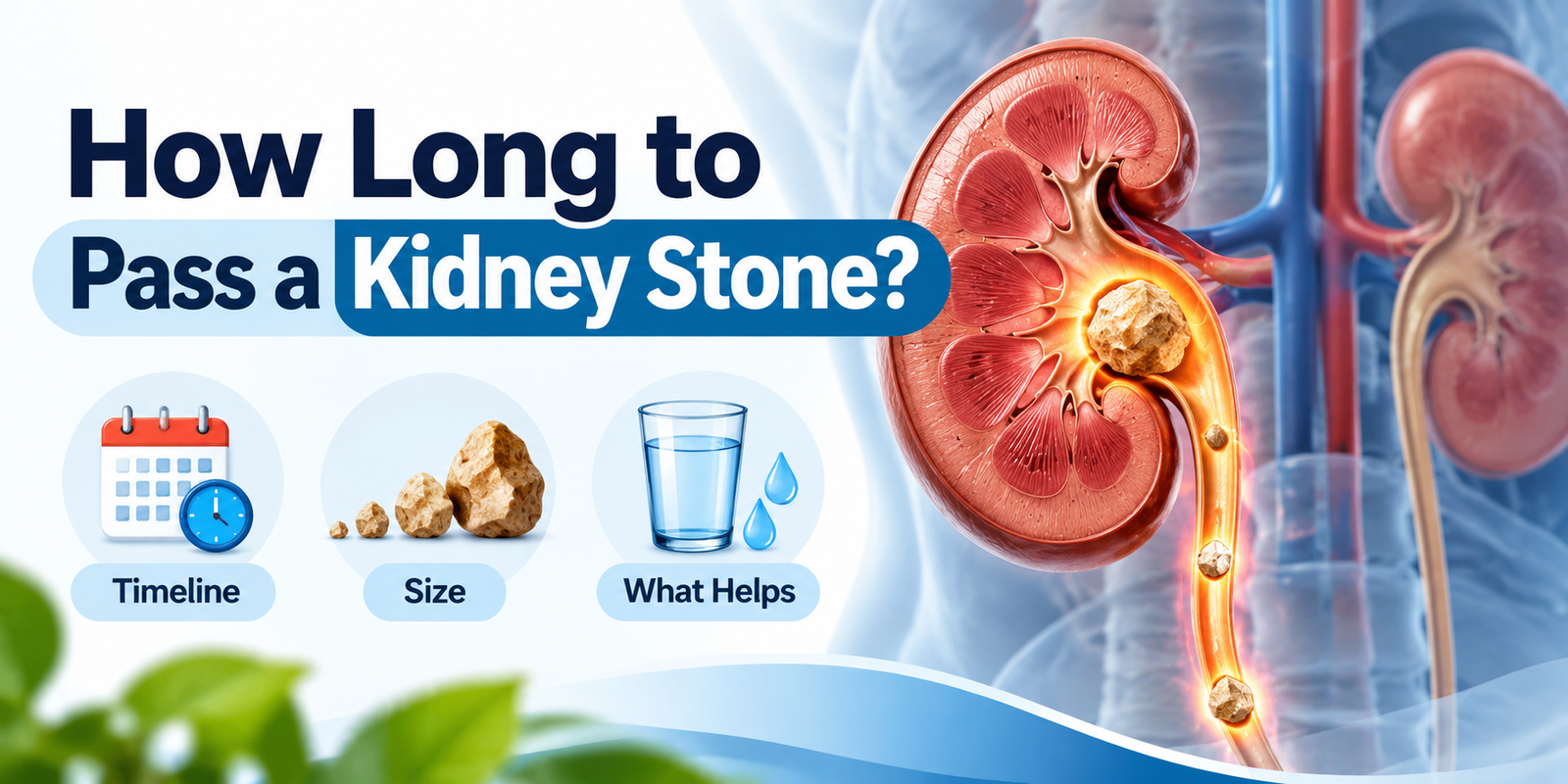
Patients often ask if stones pass naturally. Small stones often do with proper hydration and medicines.
Many wonder whether tablets alone can remove stones. This depends on size and type.
People also ask whether kidney stones cause kidney failure. Untreated stones can damage kidneys over time, but timely treatment prevents this.
Another common concern is whether surgery is always required. Surgery is needed only for large or complicated stones.
When to See a Doctor Immediately
Some symptoms should never be ignored.
Severe pain that does not reduce needs medical attention.
Fever with chills may indicate infection.
Blood in urine, persistent vomiting, and difficulty passing urine require urgent evaluation.
Early treatment prevents complications.
Lifestyle Tips for Long-Term Prevention
Daily habits play a major role in preventing recurrence.
Drinking enough water, maintaining a balanced diet, staying physically active, and monitoring health regularly help reduce the risk.
Regular urine and blood tests help detect changes early.
Prevention is a continuous process, not a one-time effort.
Conclusion
Kidney stones are common, but they are manageable and preventable.
Early diagnosis reduces pain and avoids complications. Modern treatments are effective and safe. Lifestyle changes make a big difference in long-term prevention.
Most people recover fully and return to normal life after treatment.
With proper care, awareness, and healthy habits, kidney stones can be treated successfully and the chances of recurrence can be reduced significantly.