

}})
Kidney pain is often misunderstood and frequently confused with back pain. Many people search for questions like “Where is kidney pain located?” or “Kidney pain vs back pain – how to tell the difference?” This confusion can delay proper diagnosis and treatment.
Unlike regular back pain caused by muscles or posture, kidney pain may indicate serious underlying conditions such as kidney infection, kidney stones, or urinary tract issues.
In this comprehensive guide, you’ll learn how to identify kidney pain symptoms, the exact pain location, causes, and how to relieve kidney pain instantly, along with clear signs that require medical attention.
What is Kidney Pain?
Kidney pain is discomfort that originates from one or both kidneys. These bean-shaped organs are located in your upper abdominal area toward the back, just below the rib cage on either side of the spine.
The pain is often described as:
- Deep, dull ache
- Sharp or stabbing sensation
- Persistent discomfort that doesn’t change with movement
Unlike muscle pain, kidney pain is usually internal and constant, rather than triggered by physical activity.
Kidney Pain Location: Where Exactly Do You Feel It?
Understanding the kidney pain location is the first step in distinguishing it from back pain.
Typically, kidney pain is felt:
- In the flank area (sides of your body)
- Just below the ribs
- On one or both sides of the spine
- Sometimes radiating toward the lower abdomen or groin
This is different from back pain, which is usually more central and lower.
Kidney Pain vs Back Pain: Key Differences
Many people confuse kidney pain with lower back pain. However, there are clear differences in how each feels and behaves.
Kidney Pain
Kidney pain tends to feel deeper and more internal. It is usually constant and may be accompanied by other symptoms like fever or urinary issues.
Common characteristics:
- Located higher in the back (under ribs)
- Deep, steady pain
- Not affected much by movement
- Often comes with nausea, fever, or urinary symptoms
Back Pain
Back pain is usually related to muscles, spine, or posture. It often changes with movement and improves with rest.
Common characteristics:
- Located in the lower back
- Varies with posture or activity
- May improve with stretching or rest
- No urinary symptoms
Quick Comparison Table
| Feature | Kidney Pain | Back Pain |
|---|---|---|
| Location | Upper back (under ribs) | Lower back |
| Type of Pain | Deep, constant | Sharp or dull, movement-based |
| Movement Impact | Usually unchanged | Changes with movement |
| Associated Signs | Fever, nausea, urinary issues | Muscle stiffness |
Common Causes of Kidney Pain

Kidney pain can result from several medical conditions, some mild and others serious.
1. Kidney Infection (Pyelonephritis)
A kidney infection is a severe type of urinary tract infection that spreads to the kidneys. It requires prompt medical treatment.
Symptoms often include:
- Fever and chills
- Burning urination
- Frequent urination
- Nausea and vomiting
- Pain in the side or back
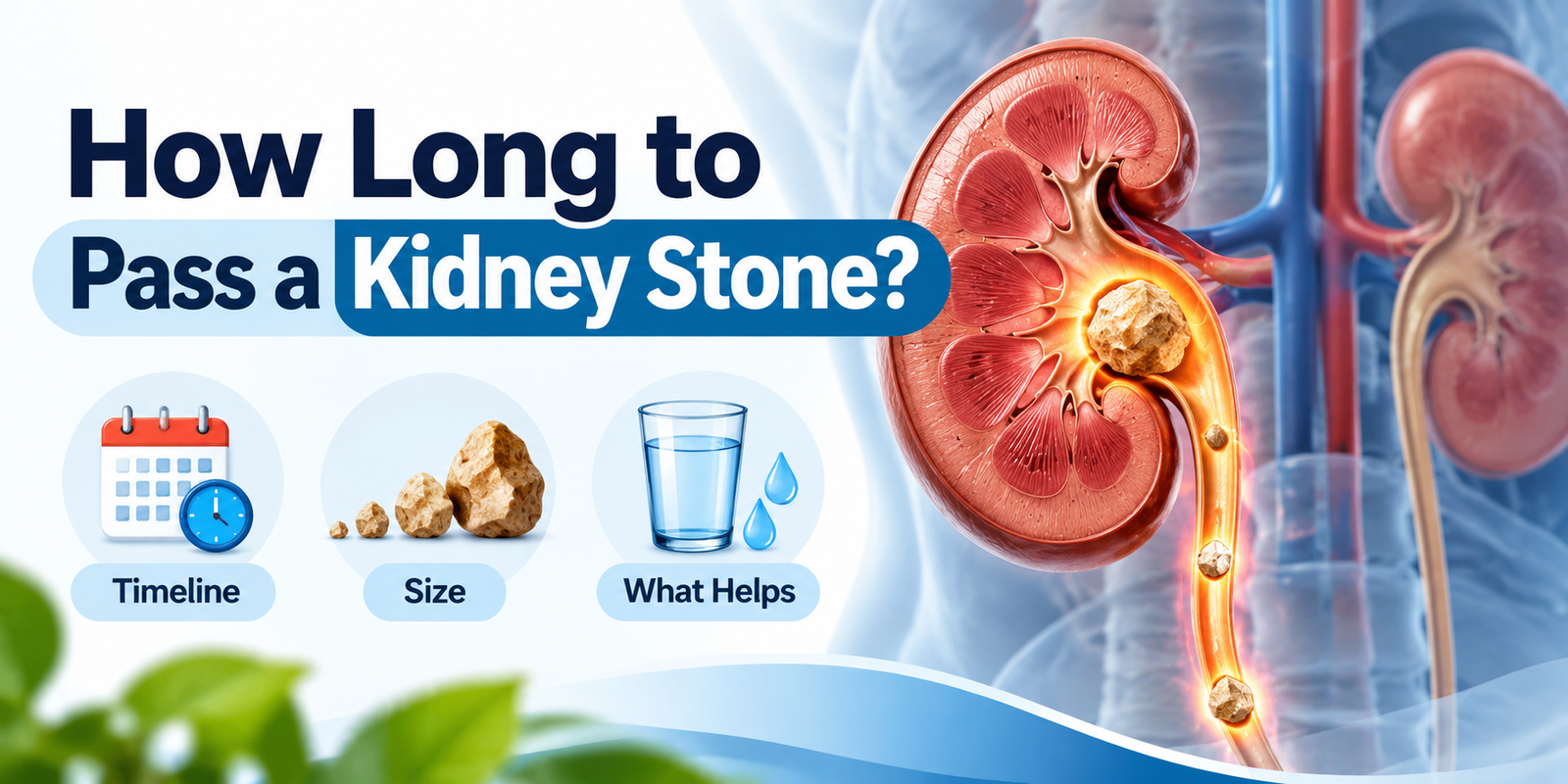
2. Kidney Stones
Kidney stones are hard deposits made of minerals and salts. When they move, they can cause intense pain.
Typical signs:
- Severe, sharp pain (often sudden)
- Pain radiating to the groin
- Blood in urine
- Nausea
This pain is often described as one of the most intense types of pain.
3. Urinary Tract Infection (UTI)
If untreated, a UTI can spread upward and affect the kidneys.
Symptoms may include:
- Frequent urination
- Burning sensation
- Cloudy or strong-smelling urine
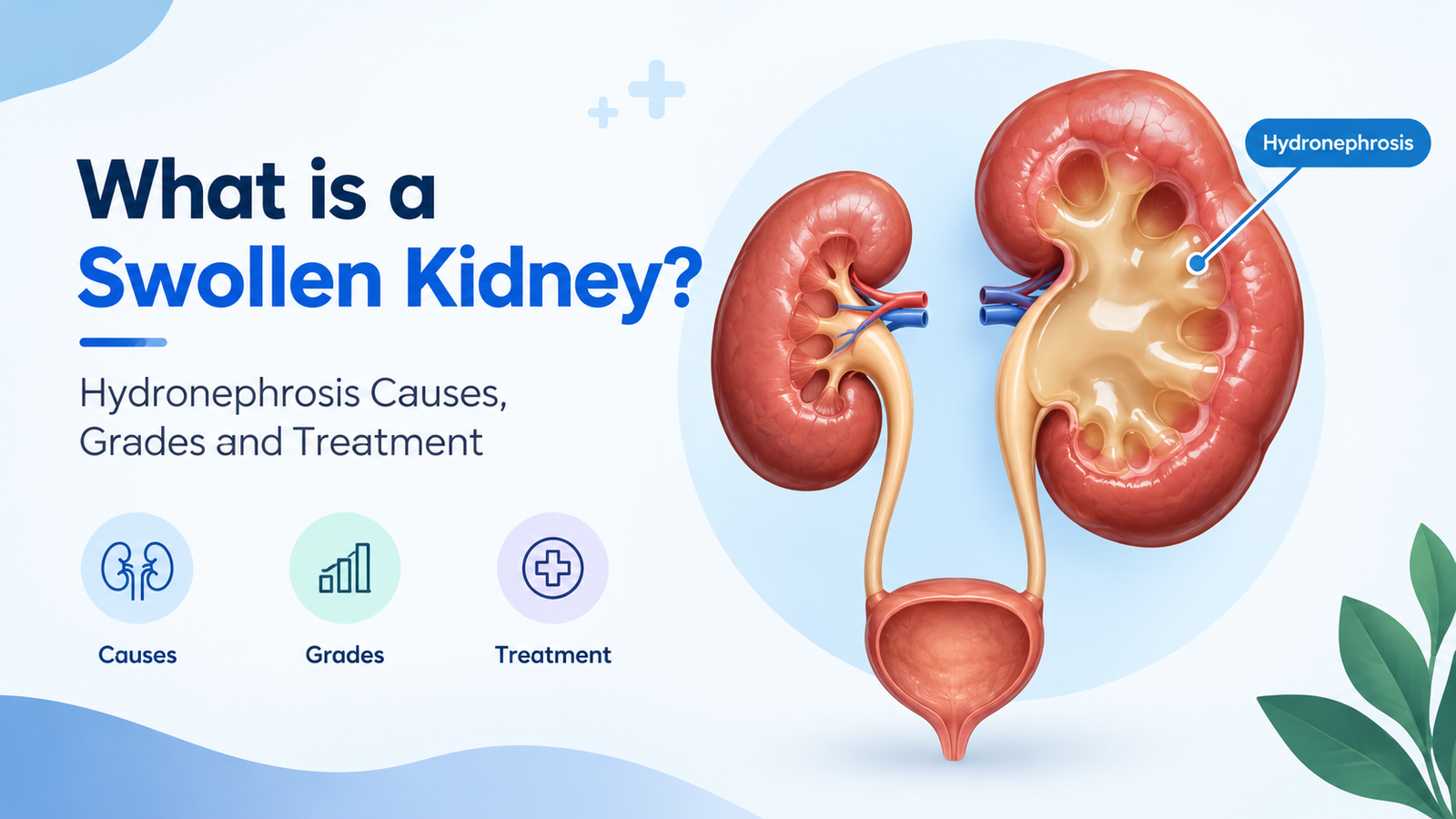
4. Hydronephrosis (Kidney Swelling)
This occurs when urine builds up in the kidney due to blockage.
It may cause:
- Dull pain
- Swelling
- Reduced urine flow
5. Polycystic Kidney Disease
A genetic condition where cysts develop in the kidneys, causing enlargement and pain over time.
6. Injury or Trauma
A direct injury to the back or abdomen can also affect the kidneys and cause pain.
Kidney Pain Symptoms You Should Not Ignore

Kidney pain is rarely an isolated symptom. It is usually accompanied by other warning signs that indicate underlying issues.
Watch for:
- Fever or chills
- Painful urination
- Blood in urine
- Nausea or vomiting
- Frequent urge to urinate
- Fatigue
If these symptoms occur along with pain, medical evaluation is necessary.
How to Relieve Kidney Pain Instantly (Home Relief Tips)
While medical treatment is often required, certain measures can provide temporary relief from kidney pain.
Immediate Relief Methods
Drinking plenty of water can help flush out bacteria or small kidney stones. Staying hydrated reduces irritation and supports kidney function.
Applying a warm compress or heating pad to the affected area may help relax muscles and reduce discomfort.
Other helpful steps include:
- Resting in a comfortable position
- Avoiding caffeine and alcohol
- Taking doctor-approved pain relievers
Natural Supportive Remedies
Some natural methods may support recovery (not replace treatment):
- Herbal teas (like parsley or ginger)
- Cranberry products for urinary health
- Reducing salt intake
Important: Severe kidney pain should never be treated only at home.
When Should You See a Doctor?
Kidney pain can indicate serious conditions that require immediate care.
Seek medical help if you experience:
- Severe or worsening pain
- Fever with chills
- Blood in urine
- Persistent nausea or vomiting
- Difficulty urinating
Delaying treatment can lead to complications, especially in infections.
Diagnosis of Kidney Pain

Doctors use a combination of tests to identify the exact cause.
Common methods include:
- Urine tests to detect infection or blood
- Blood tests to check kidney function
- Ultrasound or CT scan to detect stones or abnormalities
A proper diagnosis ensures accurate and effective treatment.
Treatment Options for Kidney Pain
Treatment depends on the underlying cause.
For Infections
- Antibiotics are prescribed
- Hydration is essential
For Kidney Stones
- Small stones may pass naturally
- Larger stones may require medical procedures
For Chronic Conditions
- Long-term management
- Lifestyle changes
- Regular monitoring
Prevention Tips for Kidney Health
Maintaining kidney health can prevent many causes of pain.
Healthy habits include:
- Drinking enough water daily
- Maintaining hygiene
- Avoiding excessive salt intake
- Managing blood sugar and blood pressure
- Not delaying urination
Expert Insight: Don’t Ignore the Signs
Kidney pain is not just another backache. It often signals that something is wrong internally. Understanding the difference between kidney pain and back pain can help you take timely action.
Early diagnosis can prevent complications and protect long-term kidney function.
Conclusion
Kidney pain can feel similar to back pain, but the causes and risks are very different. Knowing the exact kidney pain location, symptoms, and warning signs helps you take the right steps at the right time.
If you’re unsure, it’s always safer to consult a medical professional rather than self-diagnose.