
}})
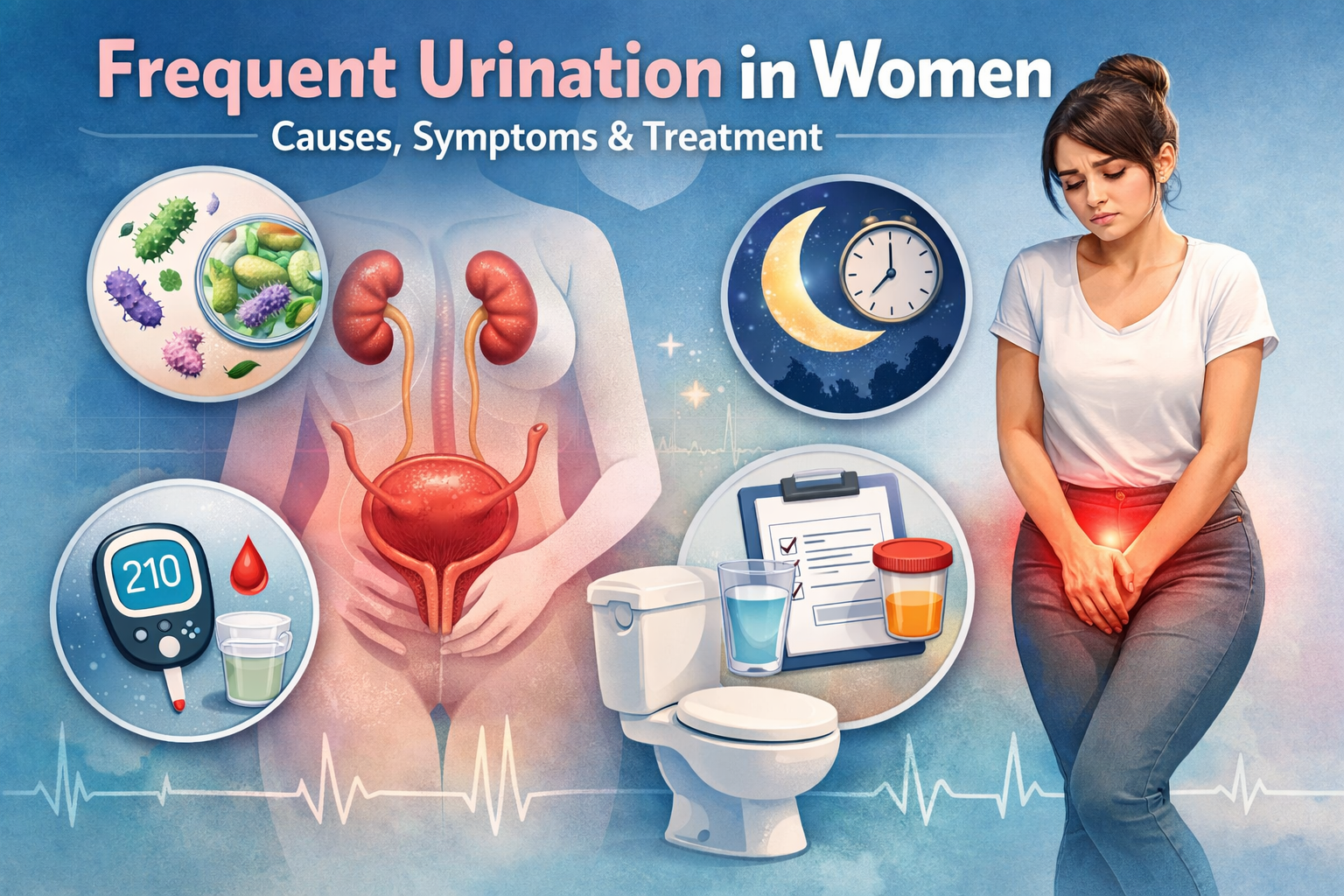
Frequent urination in women is something many experience, but few fully understand. While it may seem like a minor inconvenience at first, repeatedly needing to urinate - especially when it disrupts daily life or sleep - can be a sign of an underlying medical condition.
Many women today search for questions like “Why do I pee so often?” or “Is frequent urination a sign of UTI?”. These are valid concerns because urinary frequency is not a disease itself-it is a symptom that reflects what’s happening inside your body.
In this detailed guide, we’ll explore the real causes of frequent urination in women, what symptoms to watch for, and when it’s time to seek medical help.
What is Considered Frequent Urination?
Under normal circumstances, most women urinate around 4 to 7 times a day. This can vary depending on fluid intake, weather, and lifestyle. However, if you find yourself needing to urinate more than 8 times in 24 hours or waking up multiple times at night, it may be considered abnormal.
Frequent urination can occur with:
- Normal urine volume (just more trips)
- Increased urine production (large quantity each time)
- Sudden urgency without much output
The key difference is not just how often you urinate, but how it affects your comfort, sleep, and routine.
Why Does Frequent Urination Happen in Women?
The female urinary system is more prone to certain conditions due to its anatomy. A shorter urethra makes it easier for bacteria to enter the bladder, increasing the risk of infections.
At the same time, hormonal changes, lifestyle habits, and even emotional stress can influence how the bladder functions.
In simple terms, frequent urination usually happens due to one of these reasons:
- The bladder is irritated
- The body is producing excess urine
- The brain is sending incorrect signals to the bladder
- There is an underlying infection or disease
Common Causes of Frequent Urination in Women

1. Urinary Tract Infection (UTI)
One of the most common causes of frequent urination in women is a urinary tract infection. In this condition, bacteria enter the urinary tract and irritate the bladder lining, creating a constant urge to urinate.
Women with UTIs often feel like they need to urinate repeatedly, even when very little urine is passed. This sensation is usually accompanied by discomfort.
Common symptoms include:
- Burning sensation while urinating
- Strong, persistent urge to urinate
- Cloudy or foul-smelling urine
- Lower abdominal discomfort
UTIs are extremely common, and most women experience at least one episode in their lifetime.
2. Overactive Bladder (OAB)
An overactive bladder is a condition where the bladder muscles contract involuntarily, even when the bladder is not full. This leads to a sudden and urgent need to urinate.
Unlike infections, this condition is related more to nerve signals and bladder control rather than bacteria.
Women with OAB often experience:
- Sudden urgency
- Frequent urination throughout the day
- Leakage before reaching the toilet
- Interrupted sleep due to night urination
This condition can significantly affect quality of life if left untreated.
3. Frequent Urination at Night (Nocturia)
Waking up at night to urinate once in a while is normal. However, if it happens multiple times regularly, it may indicate a problem known as nocturia.
This condition is particularly troubling because it disrupts sleep, leading to fatigue and reduced productivity.
Common causes of nocturia include:
- Drinking fluids before bedtime
- Caffeine or alcohol intake
- Diabetes
- Bladder disorders
Nocturia is often overlooked, but it can be an early warning sign of deeper health issues.
4. Pregnancy
Frequent urination is one of the earliest signs of pregnancy. Hormonal changes increase blood flow to the kidneys, resulting in more urine production.
As pregnancy progresses, the growing uterus puts pressure on the bladder, further increasing the urge to urinate.
Although this is normal, sudden or painful urination during pregnancy should always be evaluated.
5. Diabetes
In diabetes, excess sugar in the blood forces the body to produce more urine in an attempt to remove it. This leads to increased urination along with excessive thirst.
Women with diabetes may notice:
- Frequent urination day and night
- Increased thirst
- Fatigue
- Unexplained weight changes
Frequent urination can sometimes be the first noticeable symptom of diabetes, making early detection crucial.
6. Vaginal Infections
Infections such as vaginitis can irritate the surrounding tissues, including the urethra, leading to frequent urination.
Unlike UTIs, these infections are often accompanied by:
- Itching
- Abnormal discharge
- Odor
- Irritation
The overlap of symptoms often causes confusion, which is why proper diagnosis is important.
7. Interstitial Cystitis (Painful Bladder Syndrome)
This is a chronic condition where the bladder becomes sensitive and painful without any infection. Women with interstitial cystitis may feel the urge to urinate frequently, even with very little urine in the bladder.
Symptoms typically include:
- Pelvic pain
- Pressure in the bladder
- Frequent urination without infection
This condition requires specialized management and long-term care.
8. Lifestyle and Dietary Factors
Sometimes, frequent urination is not due to a medical condition at all. Everyday habits can significantly influence bladder activity.
Common triggers include:
- Excess water intake
- Caffeine (tea, coffee, energy drinks)
- Alcohol
- Spicy or acidic foods
These substances can irritate the bladder or increase urine production.
9. Hormonal Changes and Menopause
After menopause, estrogen levels decline, which weakens the bladder and urethral tissues. This can lead to increased sensitivity and reduced bladder control.
Women may experience:
- Frequent urination
- Urgency
- Leakage
Hormonal factors play a major role in long-term bladder health.
10. Stress and Anxiety
The brain and bladder are closely connected. Emotional stress can make the bladder more sensitive, leading to frequent urges even when the bladder isn’t full.
Many women notice increased urination during:
- Anxiety episodes
- Stressful situations
- Panic attacks
This type of urinary frequency is often temporary but can become chronic if stress persists.
Symptoms That Should Not Be Ignored

While frequent urination alone may not always be serious, certain symptoms indicate the need for medical attention.
Watch for:
- Burning sensation while urinating
- Blood in urine
- Fever or chills
- Strong-smelling urine
- Pelvic or lower abdominal pain
If these symptoms are present, it may indicate infection or a more serious condition.
When Should You See a Doctor?
It’s important to listen to your body. Frequent urination should not be ignored if it becomes persistent or uncomfortable.
Seek medical help if:
- You urinate more than 8–10 times daily regularly
- Night urination disrupts sleep
- There is pain, fever, or blood in the urine
- Symptoms do not improve within a few days
Early diagnosis can prevent complications and ensure faster recovery.
Diagnosis of Frequent Urination

Doctors usually begin with a detailed history and symptom evaluation. Understanding your lifestyle, fluid intake, and associated symptoms helps narrow down the cause.
Common diagnostic steps include:
- Urine test to detect infection
- Blood test to check sugar levels
- Ultrasound to evaluate the bladder and kidneys
- Bladder diary to track patterns
In some cases, advanced tests may be required.
Treatment Options for Frequent Urination in Women

Treatment depends entirely on the underlying cause. There is no one-size-fits-all solution.
Lifestyle Modifications
For mild cases, simple changes can make a big difference. Reducing caffeine, managing fluid intake, and practicing bladder training often help improve symptoms.
Medications
Depending on diagnosis:
- Antibiotics for infections
- Bladder relaxants for overactive bladder
- Hormonal therapy for menopause-related issues
Pelvic Floor Exercises
Strengthening pelvic muscles improves bladder control. Kegel exercises are widely recommended and effective.
Advanced Treatments
In more complex cases:
- Nerve stimulation therapy
- Botox injections for bladder control
- Surgical options (rare cases)
Prevention Tips for Better Bladder Health
Maintaining bladder health is key to preventing frequent urination.
Healthy habits include:
- Staying hydrated (not excessive)
- Avoiding bladder irritants
- Practicing good hygiene
- Not holding urine for long periods
- Managing blood sugar levels
Expert Insight: What Your Body Is Telling You
Frequent urination is not just a random symptom—it’s your body’s way of signaling imbalance. Whether it’s an infection, hormonal change, or lifestyle factor, identifying the root cause is essential.
Ignoring persistent symptoms can lead to complications, while early care can resolve most issues quickly.
Conclusion
Frequent urination in women is common, but it should never be ignored if it becomes persistent or uncomfortable. While many causes are harmless, others may require medical attention.
Understanding your body, recognizing symptoms early, and seeking the right care can make a significant difference in your health and quality of life.