
}})
That sharp, stinging burn you feel when you pee is hard to ignore. It stops you mid-step, makes you dread every bathroom visit, and leaves you wondering whether it will go away on its own or whether something more serious is happening inside your body.
The good news is that burning urination - medically known as dysuria - is one of the most common urinary symptoms people experience, and in many cases, it is manageable once you understand what is causing it. Some people find relief through simple do-it-yourself measures at home. Others need a doctor's care to fully resolve it.
This guide walks you through everything you need to know: the most common causes, what your symptoms are telling you, when you can try to manage it on your own, and when you absolutely should not wait to get help.
What is Dysuria and Why Does It Happen?

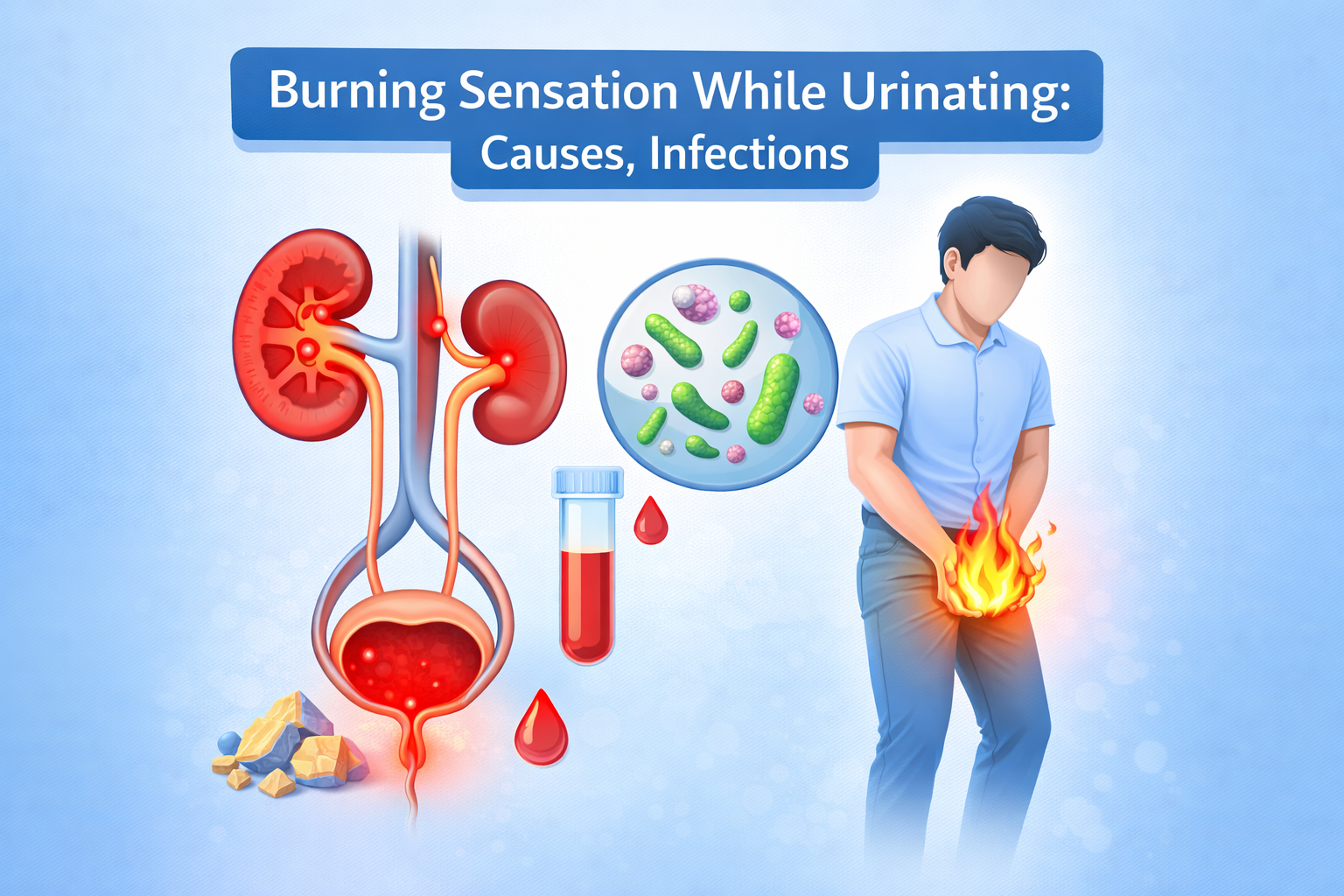
Dysuria is the medical term for pain, discomfort, or a burning sensation that occurs during or after urination. It is not a disease on its own - it is a symptom. That means something else in your body is triggering it, and identifying that root cause is the key to making it stop.
The urinary tract includes your kidneys, ureters, bladder, and urethra. Any irritation or infection along this pathway can produce that burning feeling. In women, nearby structures like the vagina and vulva can also contribute to the sensation.
Dysuria is far more common in women than in men, largely because the female urethra is shorter, making it easier for bacteria and other irritants to reach the bladder. However, men are certainly not immune - especially when prostate issues or STIs are involved.
Common Causes of Burning Urination
Understanding the cause is the first step. Here are the most frequent reasons people experience a burning sensation when they urinate.

Urinary Tract Infections (UTIs)
UTIs are the number one cause of burning urination, particularly in women. A UTI occurs when bacteria - most commonly Escherichia coli (E. coli) from the digestive tract - enter the urethra and travel up into the bladder.
Signs that a UTI may be the cause:
- Burning or stinging sensation during urination
- Frequent, urgent need to urinate, even when little comes out
- Cloudy or foul-smelling urine
- Pelvic pressure or lower abdominal discomfort
- Urine that appears pink, red, or brownish (blood in urine)
UTIs are very treatable with antibiotics, but they rarely go away completely without treatment. Some mild, early-stage cases respond to do-it-yourself supportive care - increased water intake, cranberry supplements, and avoiding irritants - but most require prescription antibiotics to fully clear.
Sexually Transmitted Infections (STIs)
STIs such as chlamydia, gonorrhea, and genital herpes can all cause burning or pain during urination. These infections are frequently missed because people assume they have a UTI and treat it accordingly - only to find the symptoms return or worsen.
Key differences to watch for:
- Unusual discharge from the penis or vagina
- Sores, blisters, or rashes near the genitals
- Burning that persists even between urination episodes
- A recent change in sexual partner or unprotected intercourse
STIs require specific testing and targeted treatment - they cannot be managed with a do-it-yourself approach or over-the-counter remedies. If there is any possibility an STI is involved, medical testing is essential.
Kidney Stones
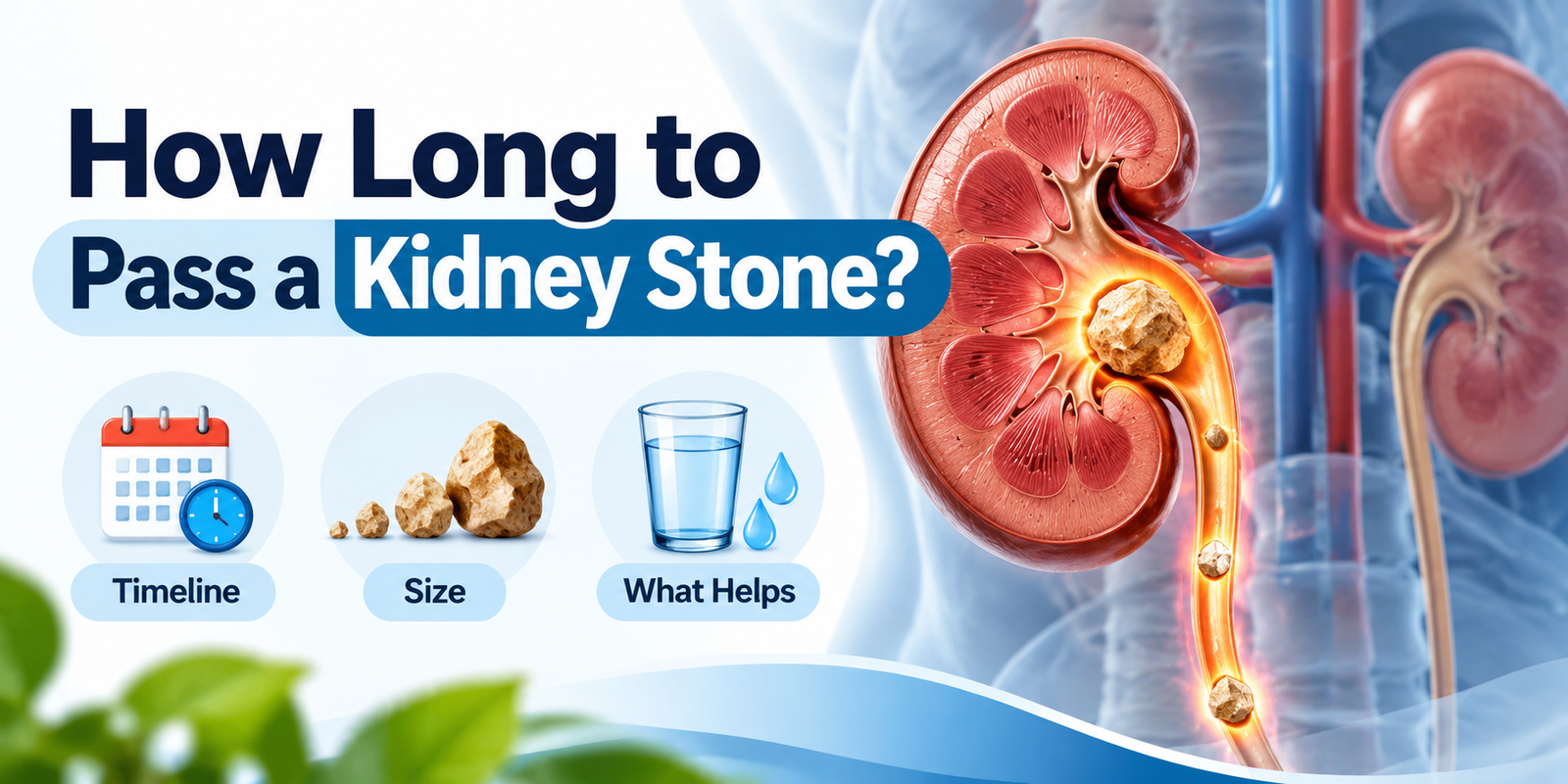
When a kidney stone moves through the urinary tract, it can cause intense burning, sharp pain, and discomfort during urination. The stone physically irritates the lining of the ureter and urethra as it passes.
Common symptoms of kidney stones:
- Severe, wave-like pain in the lower back or side
- Burning or pain during urination
- Blood in the urine (pink or red tint)
- Nausea and vomiting
- Frequent urge to urinate
Small kidney stones may pass on their own with plenty of fluids and pain management - a situation where a do-it-yourself strategy under medical guidance is reasonable. Larger stones often require medical procedures such as lithotripsy or surgical removal.
Chemical Irritants
Not every case of burning urination points to an infection. Sometimes the culprit is something you are applying to your body or using regularly without realizing it is irritating.
Common chemical irritants include:
- Scented soaps, bubble baths, and shower gels
- Douches and feminine hygiene sprays
- Spermicides and certain contraceptive products
- Fabric softeners and scented laundry detergents
- Tight synthetic underwear that traps moisture
This type of dysuria is one of the most straightforward situations where a do-it-yourself solution works well. Simply identifying and removing the irritating product usually resolves the burning within a few days without any medical intervention.
Interstitial Cystitis (IC)
Interstitial cystitis, also called painful bladder syndrome, is a chronic condition that causes ongoing bladder pressure, pain, and burning urination. Unlike a UTI, IC produces no bacterial infection, making it frustrating to diagnose because standard urine tests come back negative.
Signs that IC may be involved:
- Persistent pelvic pain that comes and goes
- Burning during urination that is not related to any infection
- Frequent urination - sometimes 40 or more times per day in severe cases
- Symptoms that flare with certain foods, stress, or hormonal changes
- No bacterial growth in urine culture results
IC is a long-term condition managed through diet, bladder training, stress reduction, and medication. While some lifestyle changes can be implemented on your own, a proper diagnosis from a urologist is necessary before creating any management plan.
Vaginal Dryness and Hormonal Changes
In women - particularly those going through menopause or perimenopause - declining estrogen levels cause the vaginal tissues to thin, dry out, and become more fragile. This condition, called atrophic vaginitis or genitourinary syndrome of menopause (GSM), commonly produces burning during urination because the urethra is also affected by estrogen loss.
Indicators that this may be the cause:
- Postmenopausal woman experiencing urinary burning
- Vaginal dryness, itching, or discomfort during intimacy
- No signs of infection found in urine tests
- Burning that is gradual and persistent rather than sudden
Topical estrogen therapy prescribed by a doctor is the most effective treatment. Some over-the-counter vaginal moisturizers can offer temporary comfort as a do it yourself step while awaiting medical evaluation.
Prostatitis in Men
Men who experience burning urination may be dealing with prostatitis - an inflammation of the prostate gland, which can be bacterial or non-bacterial in origin.
Signs of prostatitis:
- Burning or painful urination
- Difficulty starting or maintaining a urine stream
- Pain in the lower back, groin, or between the legs
- Fever and chills (in acute bacterial cases)
- Discomfort in the testicles or penis
Prostatitis requires medical diagnosis and treatment. Bacterial prostatitis is treated with antibiotics, while non-bacterial prostatitis may require anti-inflammatories, physical therapy, or lifestyle changes.
Symptoms That Appear Alongside Burning Urination
Burning urination rarely shows up alone. The accompanying symptoms can tell you a great deal about the underlying cause:
- Fever and chills - Suggests a more serious infection, such as a kidney infection (pyelonephritis) or severe UTI that has spread
- Blood in urine - Can indicate UTI, kidney stones, bladder irritation, or, in rare cases, a tumor
- Unusual discharge - Points strongly toward an STI
- Back or flank pain - May indicate a kidney infection or a kidney stone
- No other symptoms - May suggest irritant contact or early-stage UTI
- Pelvic pain without infection - May indicate interstitial cystitis or endometriosis in women
Pay close attention to the full picture your body is presenting. A burning sensation combined with fever, chills, or back pain is a medical emergency - do not attempt to manage that combination with do-it-yourself remedies alone.
Do It Yourself Relief: What You Can Try at Home

For mild cases of burning urination - particularly when caused by irritants or in the very early stages of a suspected UTI - there are effective do-it-yourself strategies that can bring relief while you monitor your symptoms.
Here is what you can do on your own:
- Drink plenty of water. Staying well hydrated helps flush bacteria and irritants from your urinary tract. Aim for 8–10 glasses of water per day.
- Avoid irritants immediately. Stop using any scented soaps, sprays, douches, or new hygiene products around the genital area until symptoms resolve.
- Try unsweetened cranberry juice or supplements. While evidence is mixed, cranberry products contain compounds (proanthocyanidins) that may reduce bacteria's ability to stick to the bladder wall.
- Use a heating pad. Applying a warm heating pad to your lower abdomen can ease pelvic discomfort and reduce cramping associated with bladder irritation.
- Take an over-the-counter urinary pain reliever. Products containing phenazopyridine (such as AZO Urinary Pain Relief) can numb the lining of the urinary tract and reduce burning. Important: this relieves pain only - it does not treat any infection.
- Urinate frequently. Do not hold urine for long periods. Regular urination helps flush out bacteria and reduces pressure on an irritated bladder.
- Wear breathable underwear. Switching to loose-fitting cotton underwear reduces moisture and friction around the urethra.
These strategies are most appropriate when symptoms are mild, and you have no fever, no back pain, no blood in urine, and no signs of an STI. If you are using these measures and symptoms are not improving within 24–48 hours, it is time to contact a healthcare provider.
When Home Remedies Are Not Enough
There are situations where attempting to manage burning urination entirely on your own is not safe. Seek medical attention promptly if you experience any of the following:
- Symptoms that do not improve within 1–2 days of home care
- Fever above 38°C (100.4°F) or chills
- Pain in your back, side, or groin (possible kidney involvement)
- Visible blood in your urine
- Nausea or vomiting alongside urinary symptoms
- Discharge or sores near the genitals
- Burning urination during pregnancy (UTIs in pregnancy can escalate rapidly and affect the baby)
- You are a man experiencing these symptoms (less common - warrants prompt evaluation)
- Recurring episodes (three or more per year)
These are not situations where a do-it-yourself approach is appropriate. Delayed treatment can allow a simple bladder infection to ascend to the kidneys, where it becomes far more dangerous and difficult to treat.
How Doctors Diagnose the Cause
When you visit a doctor for burning urination, expect a thorough but straightforward evaluation:
- Urinalysis - A urine dipstick test checks for white blood cells, red blood cells, nitrites, and protein - all markers of infection or irritation.
- Urine culture - A sample is sent to a lab to identify the exact bacteria causing the infection and determine which antibiotic will be most effective.
- STI testing - Urine samples or swabs test for chlamydia, gonorrhea, herpes, and other sexually transmitted infections.
- Pelvic exam (women) - Allows the doctor to assess vaginal health, check for discharge or lesions, and rule out gynecological causes.
- Prostate exam (men) - Digital rectal examination to evaluate the prostate for swelling or tenderness.
- Imaging - An ultrasound or CT scan may be ordered if kidney stones or structural abnormalities are suspected.
- Cystoscopy - A small camera is inserted into the bladder to look for abnormalities in cases of recurrent or unexplained dysuria.
Treatment Options Based on the Cause
Treatment is always guided by the specific cause identified during diagnosis:
- Bacterial UTI → Antibiotics such as nitrofurantoin, trimethoprim-sulfamethoxazole, or fosfomycin for 3–7 days
- Kidney infection → Stronger or longer-course antibiotics, sometimes IV antibiotics in hospital for severe cases
- STIs → Targeted antibiotics (chlamydia, gonorrhea) or antivirals (herpes)
- Kidney stones → Increased fluid intake, pain management; larger stones may need lithotripsy or surgery
- Interstitial cystitis → Diet modifications, bladder training, medications such as pentosan polysulfate or amitriptyline
- Chemical irritant → Remove the irritant; symptoms typically resolve within days
- Atrophic vaginitis → Topical or systemic estrogen therapy, vaginal moisturizers
- Prostatitis → Antibiotics for bacterial prostatitis; anti-inflammatories and alpha-blockers for non-bacterial
How to Prevent Burning Urination
Prevention is one area where a proactive, do-it-yourself lifestyle approach genuinely pays off. Many cases of burning urination - especially UTIs - are highly preventable.
Practical prevention strategies:
- Drink at least 6–8 glasses of water daily to keep urine diluted and flowing
- Urinate before and after sexual intercourse to flush out any bacteria
- Always wipe from front to back after using the toilet (women)
- Avoid scented feminine hygiene products, bubble baths, and douches
- Wear loose, breathable, cotton-based underwear
- Change out of wet swimwear or sweaty workout clothes promptly
- Avoid prolonged use of urinary catheters when possible
- Consider daily cranberry supplements if you have recurrent UTIs (discuss with your doctor)
- For women prone to recurring UTIs, low-dose prophylactic antibiotics or vaginal estrogen (postmenopausal) may be recommended by a physician.
Conclusion
A burning sensation while urinating is uncomfortable, disruptive, and sometimes alarming - but it is also one of the most understood and treatable urinary symptoms in medicine. Whether the cause is a straightforward bacterial UTI, a chemical irritant, hormonal changes, or something more complex like kidney stones or interstitial cystitis, the right path forward begins with paying attention to what your body is telling you.
Key takeaways from this guide:
- Burning urination is a symptom, not a diagnosis - the cause determines the treatment
- UTIs are the most common cause, but STIs, irritants, kidney stones, and hormonal changes are also frequent culprits
- A do-it-yourself approach - hydration, removing irritants, cranberry supplements, heating pads - can bring relief for mild cases.
- Never use do-it-yourself strategies in place of medical care if you have a fever, back pain, blood in your urine, or symptoms lasting more than 48 hour.s
- Prevention through hydration, hygiene habits, and avoiding irritants is highly effective for most people.
If you are experiencing burning urination right now and are unsure whether it is serious, err on the side of caution. A quick urine test at your doctor's office or urgent care clinic is all it usually takes to get an answer and start feeling better fast.